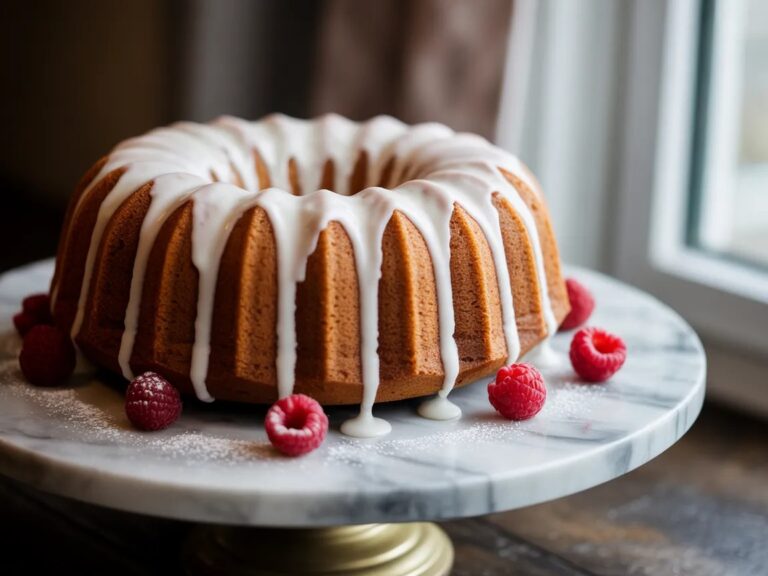
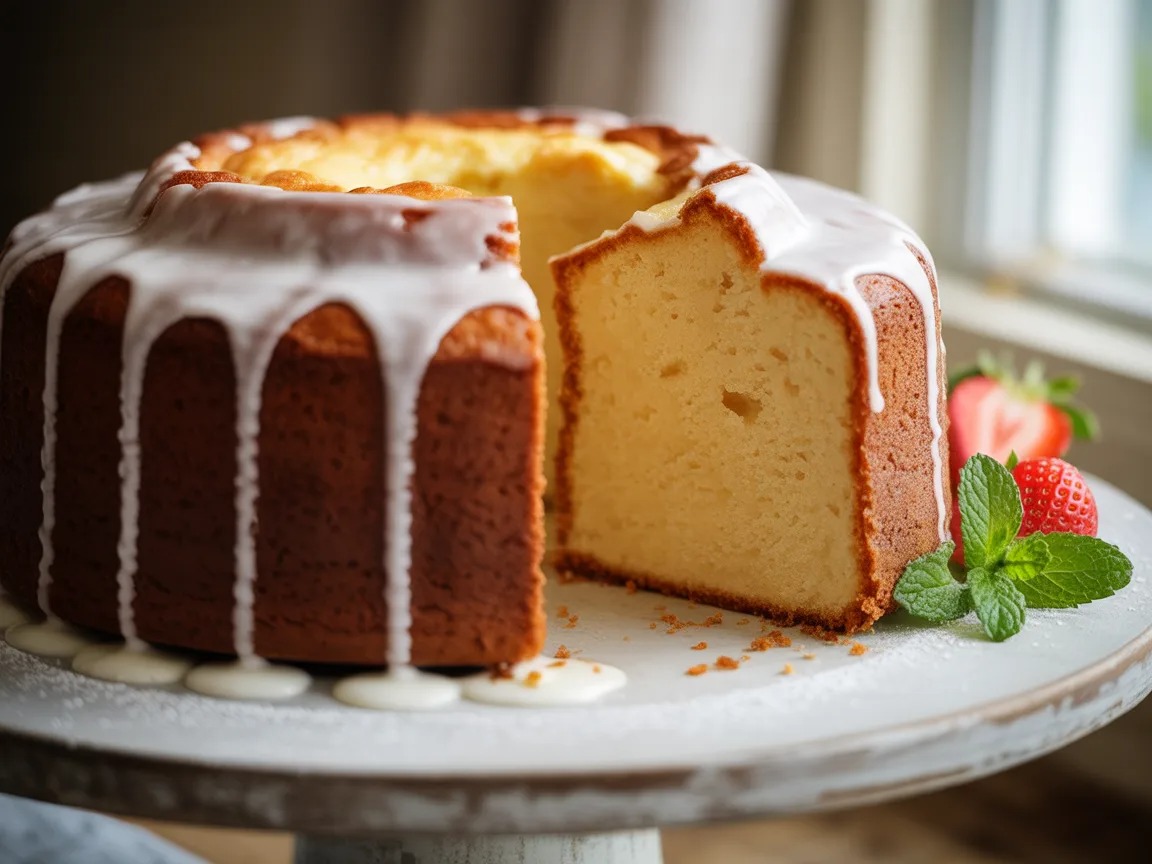
Some cakes try too hard. Towering layer cakes with six components, fondant decorations, edible glitter — exhausting. Pound cake walks into the room with exactly four classic ingredients, a perfectly golden crust, and that dense, buttery, melt-on-your-tongue crumb and absolutely owns the moment without trying at all. It’s the most confident cake in existence. No frosting required, no decoration necessary, just pure unapologetic butteriness in every single slice. And the best part? It’s genuinely one of the easier cakes you’ll ever make. Let’s bake something timeless.
Quick Look at the Recipe
| 🎓 Skill Level | ⏱️ Prep Time | 🍳 Cook Time | ⏰ Total Time |
|---|---|---|---|
| Beginner–Intermediate | 20 minutes | 60–70 minutes | 1 hour 35 minutes |
| 🍽️ Servings | 📋 Course | 🌍 Cuisine | 🔥 Calories |
|---|---|---|---|
| 12 slices | Dessert | American / British | ~420 kcal per slice |
Why This Recipe is Awesome
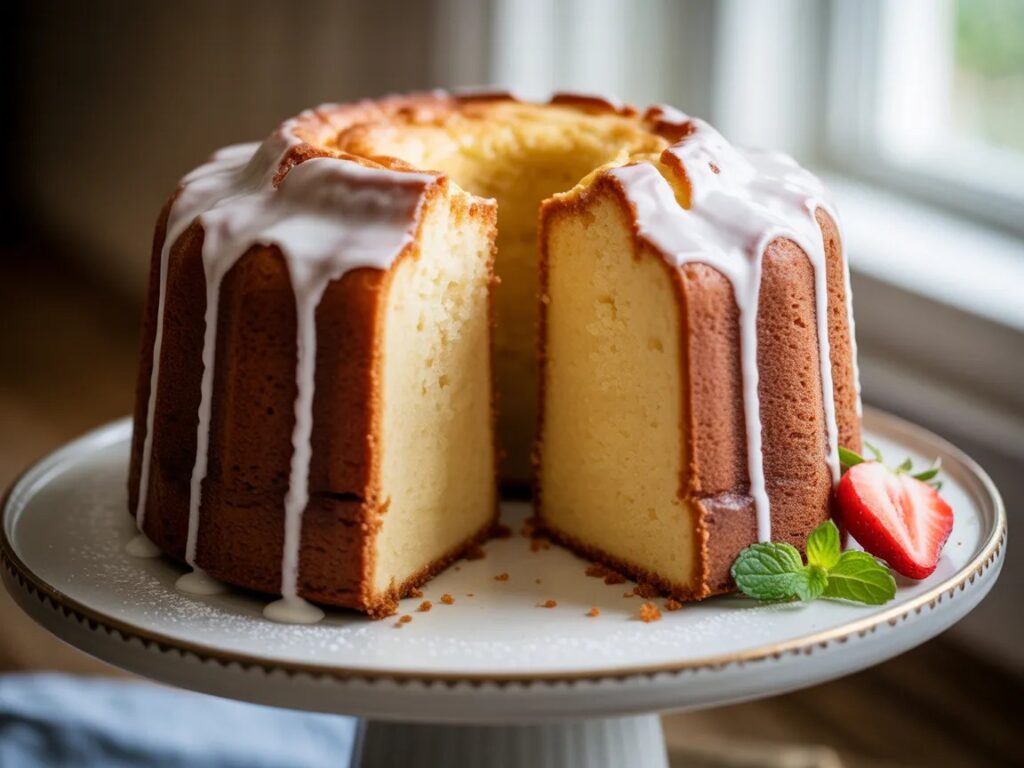
The original pound cake recipe is named for its ingredient ratios — one pound each of butter, sugar, eggs, and flour. Simple. Brilliant. Completely unfussy. This version stays true to those classic proportions while adding vanilla extract and a touch of sour cream to produce a crumb so tender and moist it genuinely makes people stop mid-conversation. It also lasts for days without drying out, which is more than most cakes can claim.
Pound cake is the rare bake that gets better on day two — the crumb tightens slightly overnight into the most perfect sliceable texture. It’s endlessly versatile: eat it plain, toast it with butter, serve it with berries and cream, soak it in bourbon — all valid. It requires no special decorating skills, no frosting techniques, and no artistic ability whatsoever. Even a first-time baker can pull this off. Idiot-proof is perhaps too strong — but it’s close.
Ingredients You’ll Need
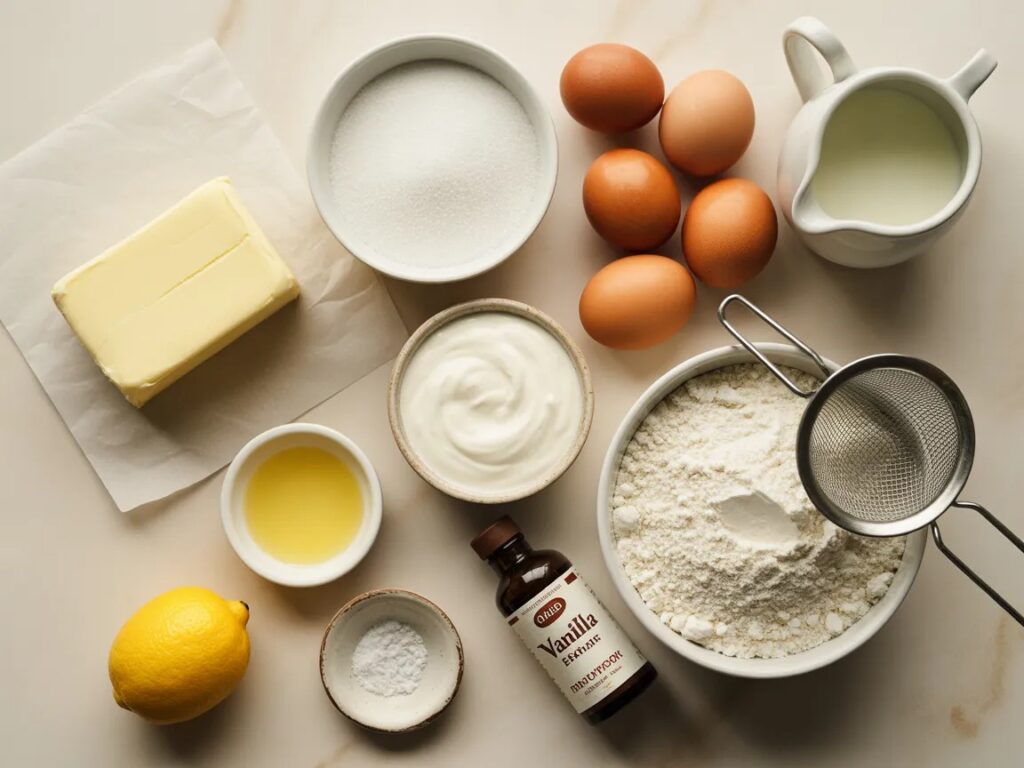
For the Classic Pound Cake:
- [ ] 2 cups (450g) unsalted butter, room temperature — this is the soul of the cake; real butter only, please; margarine is not welcome here
- [ ] 2 cups (400g) granulated white sugar — standard, reliable, perfect
- [ ] 6 large eggs, room temperature — all six; room temperature is not negotiable, cold eggs break the batter
- [ ] 3 cups (375g) all-purpose flour — spooned and leveled, not packed; excess flour makes a dry, dense cake
- [ ] ½ tsp fine salt — balances and enhances every other flavor
- [ ] ½ tsp baking powder — just a little lift; traditional pound cake uses none, but this small amount ensures reliability
- [ ] 1 tbsp pure vanilla extract — the good stuff; imitation vanilla is technically fine but you’ll taste the difference
- [ ] ¼ cup (60g) full-fat sour cream — the secret weapon; adds moisture and a subtle tang that makes the crumb extraordinary
- [ ] 2 tbsp whole milk — for just a touch of additional moisture
For the Optional Simple Glaze:
- [ ] 1 cup (125g) powdered sugar, sifted
- [ ] 2–3 tbsp whole milk or cream
- [ ] ½ tsp vanilla extract
Recommended Tools
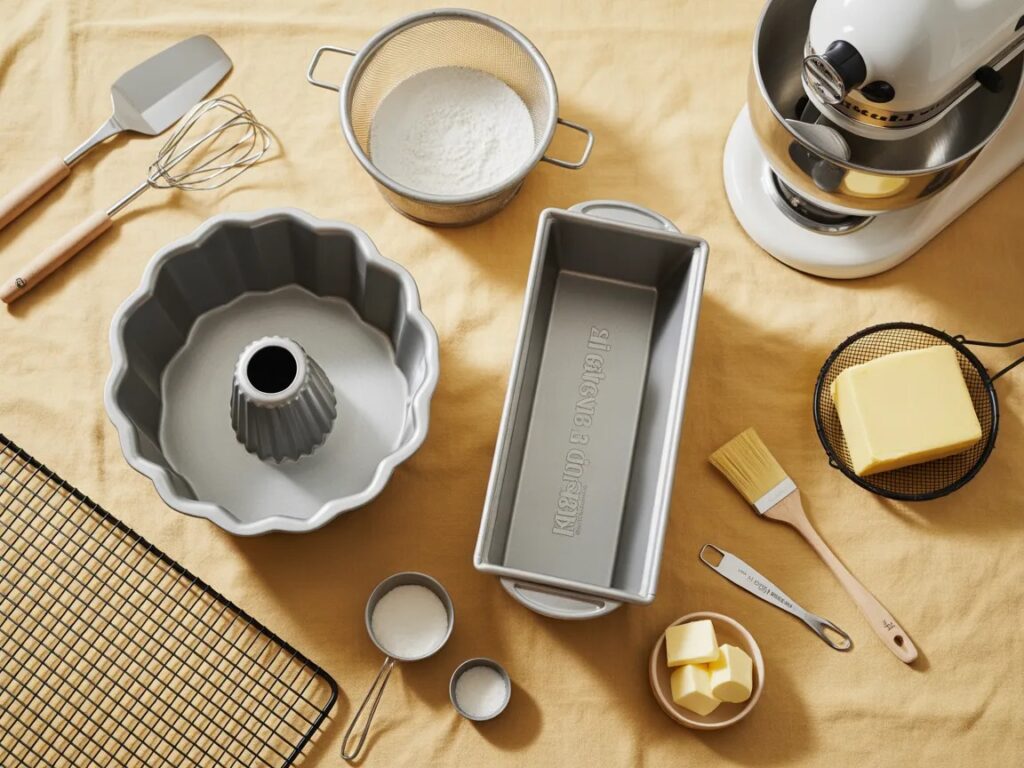
- Stand mixer or electric hand mixer — creaming 2 cups of butter by hand is theoretically possible and practically miserable; use a mixer
- 10-inch bundt pan or 9×5 inch loaf pan — both work; bundt creates a beautiful presentation, loaf gives cleaner slices
- Sieve or fine mesh strainer — for sifting the flour; removes lumps and aerates for a lighter crumb
- Rubber spatula — for scraping down the bowl sides during mixing and folding the flour gently
- Toothpick or cake tester — for checking doneness; the toothpick should come out clean with no wet batter
- Wire cooling rack — essential; cooling in the pan too long creates a steamed, gummy bottom
- Parchment paper — for lining a loaf pan; bundt pans rely on thorough greasing instead
- Pastry brush — for applying butter and flour coating to the bundt pan in every crevice
Step-by-Step Instructions
1. Preheat and Prepare the Pan Preheat your oven to 325°F (165°C). If using a bundt pan, grease every crevice meticulously with softened butter using a pastry brush, then dust with flour and tap out the excess. This is the most important step for a bundt cake — any spot you miss becomes where the cake sticks and tears when you unmold it. For a loaf pan, grease and line with parchment paper, leaving overhang on the sides for easy lifting.
2. Sift the Dry Ingredients Whisk together the flour, salt, and baking powder in a bowl, then sift the mixture. Sifting removes lumps and adds air, contributing to a lighter, more tender crumb. Set it aside. This takes 90 seconds and makes a difference worth the effort — don’t skip it just because it feels old-fashioned.
3. Cream the Butter and Sugar Thoroughly Beat the softened butter on medium speed for 2 minutes until smooth. Add the sugar and beat on medium-high for a full 5–6 minutes until the mixture is pale, very fluffy, and almost doubled in volume. This extended creaming is where the cake’s texture is built — the air incorporated now creates a lighter, finer crumb in the finished cake. Don’t rush this step.
4. Add Eggs One at a Time Add the eggs one at a time, beating for 30–45 seconds after each addition before adding the next. Scrape down the sides of the bowl regularly. Add the vanilla extract with the last egg. If the batter looks curdled or broken at any point — it likely means the eggs were too cold. Keep mixing; it will usually come back together as the batter warms slightly.
5. Add Sour Cream and Milk Add the sour cream and whole milk and mix on low speed until just incorporated. The batter will look dense and glossy — that’s exactly right. These two ingredients are doing important moisture work that shows up in the final texture. Don’t overmix at this stage; you’ve already done the important work in the creaming step.
6. Fold in the Flour Add the sifted flour mixture in three additions, folding gently with a rubber spatula after each addition. Mix only until no dry streaks remain — overworking the flour after it’s added develops gluten and produces a tough, rubbery cake. Switch from the mixer to a spatula for the flour additions if you want maximum tenderness. A few extra folds by hand at the end ensure you haven’t missed any flour at the bottom of the bowl.
7. Fill the Pan and Bake Pour or spoon the batter into the prepared pan and smooth the top evenly with a spatula. Tap the pan gently on the counter twice to release any large air bubbles. Bake at 325°F for 60–70 minutes for a bundt pan, or 55–65 minutes for a loaf pan. The lower temperature is intentional — it allows the cake to bake through slowly without a burnt exterior before the center sets.
8. Test for Doneness and Cool Start checking at 55 minutes — insert a toothpick into the thickest part and it should come out completely clean with no wet batter. The top should be deep golden brown and spring back gently when lightly pressed. Cool in the pan for exactly 15 minutes, then invert onto a wire rack. Don’t wait longer than 15 minutes or the cake steams and sticks. Loaf pan cakes can be lifted out using the parchment overhang.
9. Glaze (Optional) Once the cake is completely cool, whisk together powdered sugar, milk, and vanilla into a smooth, pourable glaze. Drizzle over the top and let it set for 10 minutes before slicing. The glaze is a beautiful finishing touch but genuinely optional — this cake holds its own completely without it.
Nutrition Facts
| Serving Size | 1 slice (1/12 of cake) |
| Calories | 420 kcal |
| Total Fat | 26g |
| — Saturated Fat | 16g |
| — Trans Fat | 0.5g |
| Cholesterol | 155mg |
| Sodium | 130mg |
| Total Carbohydrates | 44g |
| — Dietary Fiber | 0.5g |
| — Total Sugars | 28g |
| Protein | 5g |
| Calcium | 35mg |
| Iron | 1.2mg |
| Vitamin A | 220mcg |
Based on 12 servings without glaze. Values are estimates.
Recipe Variations
- Lemon Pound Cake: Add the zest of 2 large lemons and 2 tablespoons of fresh lemon juice to the batter along with the vanilla. Replace the vanilla glaze with a bright lemon glaze made from powdered sugar and fresh lemon juice. The citrus cuts through the richness of the butter beautifully and lifts the whole cake into something fresh and summery.
- Cream Cheese Pound Cake: Replace the sour cream with 4 oz (115g) of softened full-fat cream cheese, beaten in with the butter and sugar at the start. Cream cheese produces an even denser, more velvety crumb with a subtle tang — IMO one of the best variations on the classic. It also keeps exceptionally well for several days without any change in texture.
- Marble Pound Cake: Divide the finished batter in half. Stir 3 tablespoons of sifted cocoa powder and 1 tablespoon of warm water into one half. Alternate spoonfuls of vanilla and chocolate batter in the pan, then use a skewer to swirl them gently together. The result is a visually stunning cross-section that tastes like the best of both worlds.
Recommended Ways to Serve
- Plain with Coffee or Tea: Slice it thick, pour something hot, and sit down. This is pound cake in its purest, most honest form — no adornment, no apology, just that golden buttery crumb and your beverage of choice. It’s the civilized afternoon snack that never disappoints.
- Toasted with Butter and Fresh Fruit: Slice a thick piece and toast it in a pan with a little butter until the cut sides are golden and slightly caramelized. Serve alongside fresh strawberries macerated with sugar and a handful of whipped cream. The contrast between the warm, crispy-edged cake and cold sweet cream is something genuinely special.
- As a Dessert Base with Ice Cream: Warm a slice in the microwave for 20 seconds and top with a generous scoop of vanilla bean ice cream, a drizzle of salted caramel sauce, and crushed toasted pecans. This transforms a humble slice of pound cake into a plated dessert that looks and tastes like it came from a restaurant. Zero extra effort, maximum impact.
Storing and Reheating Guidelines
- Room Temperature: Wrap the cooled cake tightly in plastic wrap or store in an airtight container at room temperature for up to 5 days. Pound cake actually improves over the first 24–48 hours as the crumb settles and the flavor deepens. Keep it at room temperature — refrigerating pound cake dries it out faster than necessary.
- Freezer: Wrap individual slices or the whole unglazed cake tightly in plastic wrap, then in foil, and freeze for up to 3 months. Thaw slices at room temperature for about an hour or overnight for the whole cake. Pound cake freezes exceptionally well — it comes out of the freezer tasting exactly as it did fresh, which is genuinely impressive for a butter-heavy cake.
- Reheating single slices: Microwave a room-temperature slice for 15–20 seconds for that fresh-from-the-oven warmth — not longer, or it dries out. Toasting in a pan with butter over medium heat for 1–2 minutes per side is an even better option and creates a caramelized crust that makes every leftover slice feel like a treat.
Common Mistakes to Avoid & Fixes
| ❌ Mistake | ✅ Fix |
|---|---|
| Using cold butter and eggs | Cold butter won’t cream properly and cold eggs cause the batter to curdle and break. Pull everything out at least 1–2 hours before baking. Room temperature is not optional in pound cake. |
| Under-creaming the butter and sugar | Rushing this step is the single most common pound cake mistake. The 5–6 minutes of creaming is where lightness comes from — skip it and you get a dense, heavy brick. Set a timer. |
| Packing flour into the measuring cup | Packed flour adds significantly more than the recipe calls for and produces a dry, tough cake. Spoon flour into the cup and level off with a straight edge — or better yet, use a kitchen scale. |
| Overbaking | Pound cake continues to cook slightly after it leaves the oven. Pull it at the first clean toothpick test and don’t chase a deeper golden color — overbaked pound cake is dry and crumbly. |
| Not greasing the bundt pan properly | A poorly greased bundt pan is a heartbreak waiting to happen. Use softened butter applied with a pastry brush into every crevice, dust with flour, then tap out the excess. Non-stick spray with flour works too. |
| Unmolding too early or too late | Too early and the cake breaks because it hasn’t set. Too late and it steams and sticks. The 15-minute window in the pan before inverting is the sweet spot — set a timer and commit. |
Alternatives & Substitutions
- Cake flour instead of all-purpose: Substitute 1:1 by weight (not volume) for an even more tender, fine-crumbed cake. Cake flour’s lower protein content produces noticeably silkier results — if you want the absolute most delicate pound cake possible, use cake flour. FYI it’s worth seeking out for this recipe.
- No sour cream? Full-fat Greek yogurt is a perfect 1:1 substitute with identical effect on moisture and crumb texture. Cream cheese (softened, as mentioned in variations) is another excellent option. Crème fraîche works beautifully too — slightly richer and more luxurious if you can find it.
- Brown butter upgrade: Brown the butter before using it — cook it in a saucepan over medium heat until the milk solids turn golden and it smells nutty and caramelized, then cool to room temperature until solid again before creaming. The nutty, toffee-like depth it adds to pound cake is extraordinary and takes the whole recipe to a different level.
- Almond extract addition: Replace half the vanilla extract with almond extract for a warm, marzipan-adjacent flavor note that pairs magnificently with the buttery base. Use sparingly — almond extract is powerful and a little goes a very long way.
- Salted butter instead of unsalted: Skip the added salt if using salted butter. Salted butter produces a slightly different flavor profile — some people actually prefer it in pound cake for the way the salt enhances the butterscotch notes in the browned crust. Not wrong, just different.
FAQ (Frequently Asked Questions)
Q. Why is my pound cake dense and heavy instead of tender? Ans: Almost certainly the butter and sugar weren’t creamed long enough, or the eggs were added too quickly without proper incorporation, or too much flour was packed into the measuring cup. The creaming step is where lightness is built — if you rush it, the cake compensates by being exactly as dense as the effort you put in. Next time, cream for the full 5–6 minutes and measure flour properly.
Q. Can I use a bundt pan instead of a loaf pan? Ans: Absolutely — and the bundt presentation is honestly the more elegant option. Just make sure you grease every single groove and crevice with softened butter and flour before adding the batter. Bake time is slightly longer in a bundt pan, so start checking at 60 minutes with a toothpick. Both pans produce the same delicious cake; the bundt just wins on aesthetics.
Q. Why did my pound cake crack on top? Ans: Cracking on top is completely normal and expected — it’s not a mistake, it’s a feature. The outer crust sets before the interior finishes expanding, causing a natural split down the center. In fact, a good crack down the middle of a pound cake is considered the mark of a properly baked loaf. Embrace it; it means you did it right.
Q. My batter looked curdled when I added the eggs. Did I ruin it? Ans: Probably not — a slightly curdled-looking batter usually means the eggs were too cold or added too quickly. Keep mixing on medium speed and it typically comes back together as the friction warms the mixture slightly. If it doesn’t fully smooth out, add a tablespoon of flour from your measured amount — this helps emulsify the batter back to smoothness.
Q. Can I make pound cake without a mixer? Ans: Technically yes, but the 5–6 minutes of creaming required is genuinely hard work by hand. A wooden spoon and serious dedication can get you there — beat the butter until very soft first, then work in the sugar aggressively. The results won’t be quite as light as a machine-creamed version, but it’ll still be a very good cake. Arm day at the gym, consider it done.
Q. How do I know if my butter is really at room temperature? Ans: Press your finger into the block — it should leave an indent easily without the butter feeling greasy or slippery. If your finger sinks in with no resistance and the butter feels oily, it’s too warm and won’t hold air during creaming. The ideal is softened but still cool and holding its shape. If you’re in a hurry, cut it into small cubes and leave at room temperature for 20–30 minutes.
Q. Can I add mix-ins like chocolate chips or berries to pound cake? Ans: Yes — fold them in gently with a spatula at the very end, after the flour is incorporated. Toss mix-ins in a tablespoon of flour first to prevent them from sinking to the bottom during baking. Blueberries, raspberries, mini chocolate chips, chopped nuts, and dried fruit all work beautifully. Keep the total amount to about 1 cup to avoid disrupting the batter structure.
Latest Articles
-
Chocolate Cake Decoration: Make It Look Like You Actually Tried
-

-
🥬 Kitchen Vegetable Storage: Keeping Your Harvest Fresh as a Dew-Kissed Meadow
-

Air Fryer Baked Potatoes: Crispy Outside, Fluffy Inside, Zero Patience Required
-

Hashbrown Breakfast Casserole: The Breakfast That Does All the Heavy Lifting
-

🍳 Kitchen Decor Ideas: Transforming Your Cooking Space into a Warm, Functional Meadow
Final Thoughts
Pound cake is one of those recipes that rewards you far beyond the effort it requires — a short ingredient list, a straightforward method, and a result that is genuinely, deeply satisfying every single time. The golden crust, the dense-yet-tender crumb, the pure butter flavor that hits you on the first bite — this is a cake that has been making people happy for centuries and shows absolutely no signs of stopping. Whether you eat it plain, dressed up, toasted, glazed, or straight from the pan at midnight when nobody’s watching — it’s always the right call. Now go impress someone — or yourself — with your new culinary skills. You’ve absolutely earned it. And cut yourself the first slice. Baker’s privilege.