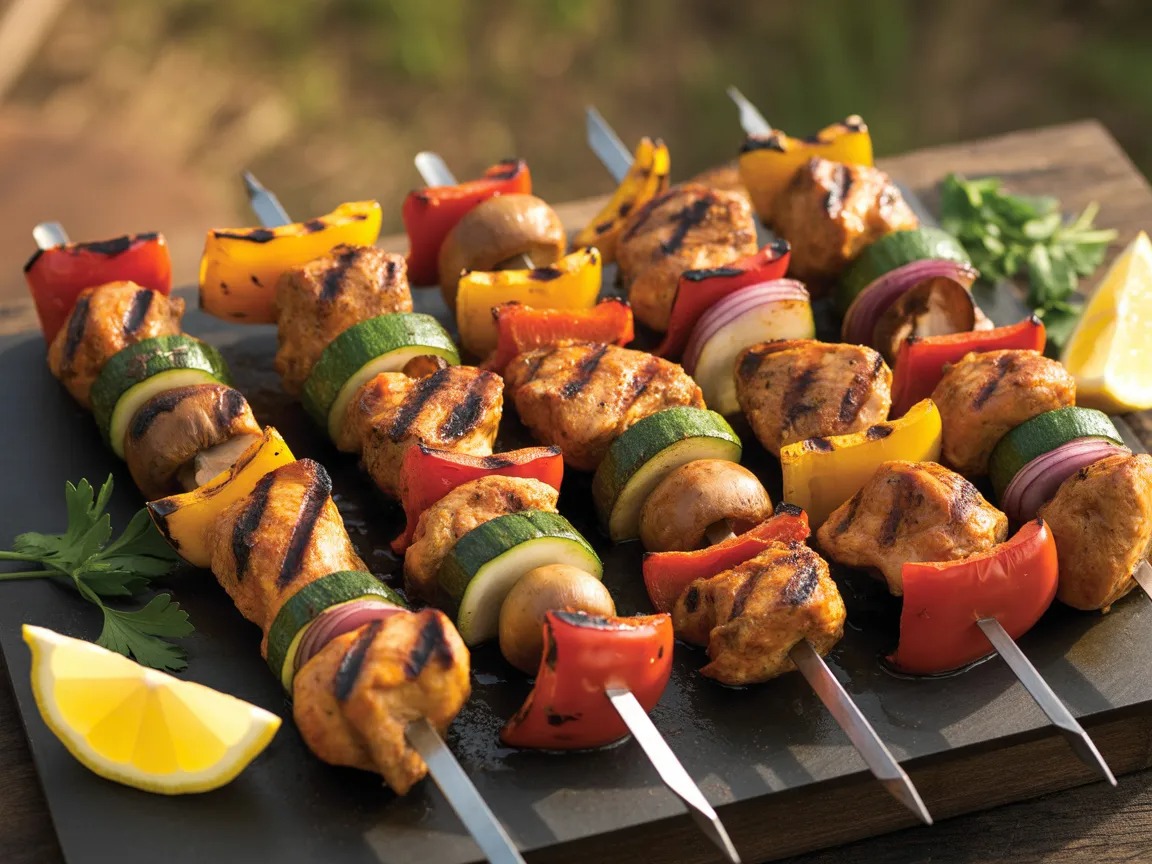
There’s something deeply, primal-ly satisfying about food on a skewer. It’s theatrical, it’s communal, it smells incredible over an open flame, and somehow makes you feel like you’re both a backyard BBQ legend and an ancient warrior simultaneously. Grilled kabobs check every box — marinated meat charred at the edges, smoky vegetables with a slight bite, gorgeous color, and flavors that a basic chicken breast simply cannot compete with. The prep is minimal, the grill does the heavy lifting, and the result impresses absolutely everyone every single time. Fire it up — let’s build some skewers.
Quick Look at the Recipe
| 🎓 Skill Level | ⏱️ Prep Time | 🍳 Cook Time | ⏰ Total Time |
|---|---|---|---|
| Easy | 20 minutes (+ 2 hrs marinating) | 12–15 minutes | 2 hours 35 minutes |
| 🍽️ Servings | 📋 Course | 🌍 Cuisine | 🔥 Calories |
|---|---|---|---|
| 4 (8 skewers) | Main Course | Mediterranean / American | ~380 kcal per serving |
Why This Recipe is Awesome
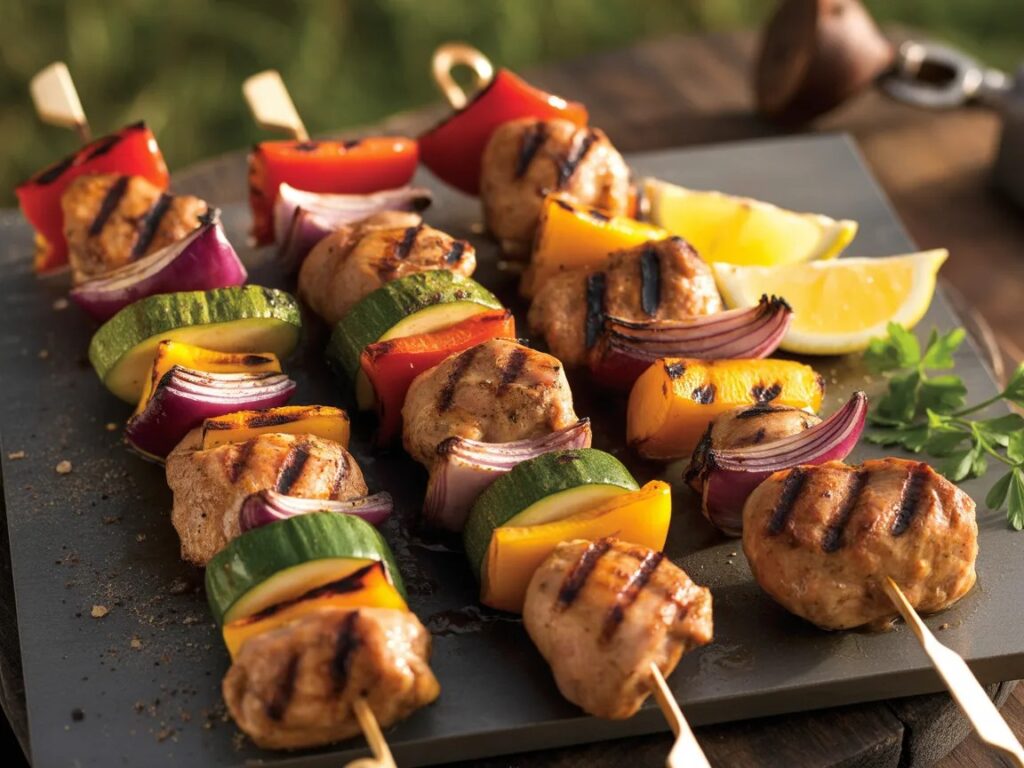
Kabobs are the rare recipe that looks significantly more impressive than the effort involved — and that gap between perceived effort and actual effort is where the magic lives. You marinate, you skewer, you grill for 12 minutes, and you present something that looks like it came out of a Mediterranean restaurant. The marinade does most of the flavor work while you go about your day, and the grill does the rest in under 15 minutes.
This recipe is also endlessly adaptable — chicken, beef, shrimp, lamb, or fully vegetarian — the same marinade works beautifully across all of them. You control the protein, the vegetables, the spice level, and the skewer lineup. It’s crowd-pleasing by design: colorful, flavorful, fun to eat, and practically impossible to dislike. Even the pickiest eater at the table will pick up a skewer and commit. And you? You’ll look like you planned this all along.
Ingredients You’ll Need
For the Kabob Marinade:
- [ ] ⅓ cup (80ml) olive oil — the base that carries all the flavors and helps achieve that char
- [ ] 3 tbsp fresh lemon juice — for brightness, acidity, and tenderizing the protein
- [ ] 4 garlic cloves, minced — non-negotiable; fresh garlic only
- [ ] 1 tsp smoked paprika — the smoky warmth that complements the grill beautifully
- [ ] 1 tsp dried oregano — for that Mediterranean herbal backbone
- [ ] 1 tsp ground cumin — earthy depth that works across every protein
- [ ] ½ tsp onion powder
- [ ] ½ tsp black pepper
- [ ] 1 tsp fine salt
- [ ] ¼ tsp cayenne pepper — for gentle heat; adjust freely
For the Kabobs (serves 4):
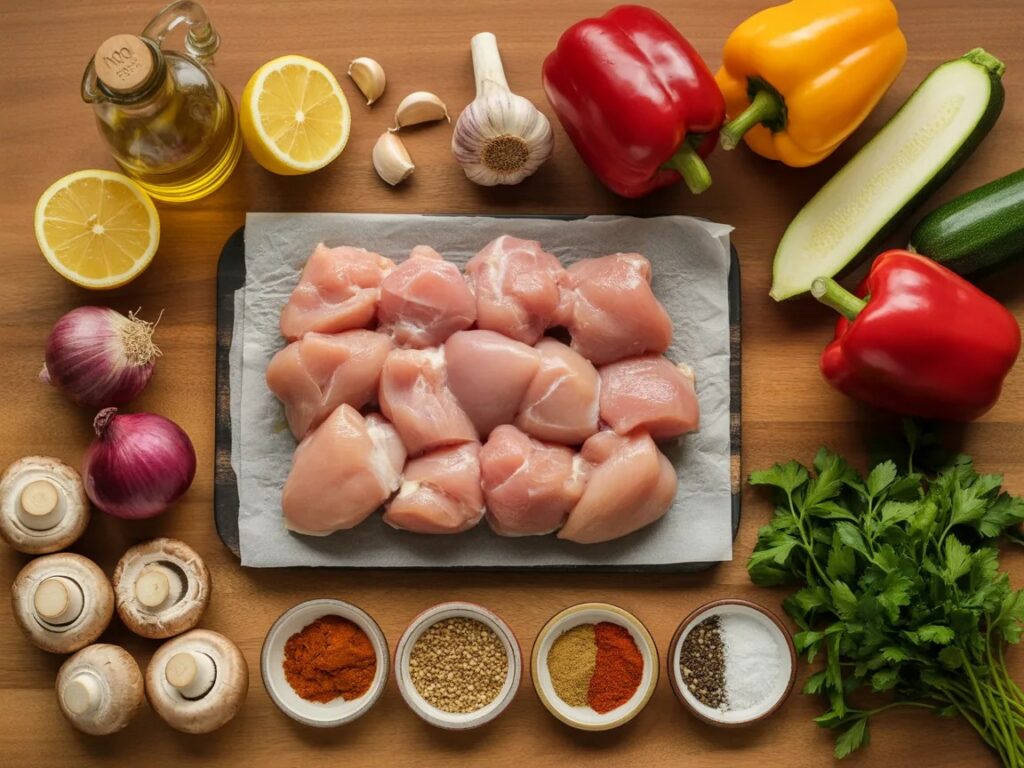
- [ ] 1.5 lbs (680g) boneless chicken thighs or beef sirloin — cut into 1.5-inch cubes; thighs for chicken (they stay juicier than breasts on the grill), sirloin for beef
- [ ] 1 large red bell pepper — cut into 1.5-inch pieces; sweet and colorful
- [ ] 1 large yellow bell pepper — same size pieces; adds gorgeous color contrast
- [ ] 1 large red onion — cut into 1.5-inch wedge chunks that hold together on the skewer
- [ ] 1 medium zucchini — cut into ¾-inch rounds; quick-cooking and absorbs the marinade beautifully
- [ ] 8 oz (225g) cremini mushrooms — whole small ones or halved larger ones; absorb marinade like they were born for it
Recommended Tools
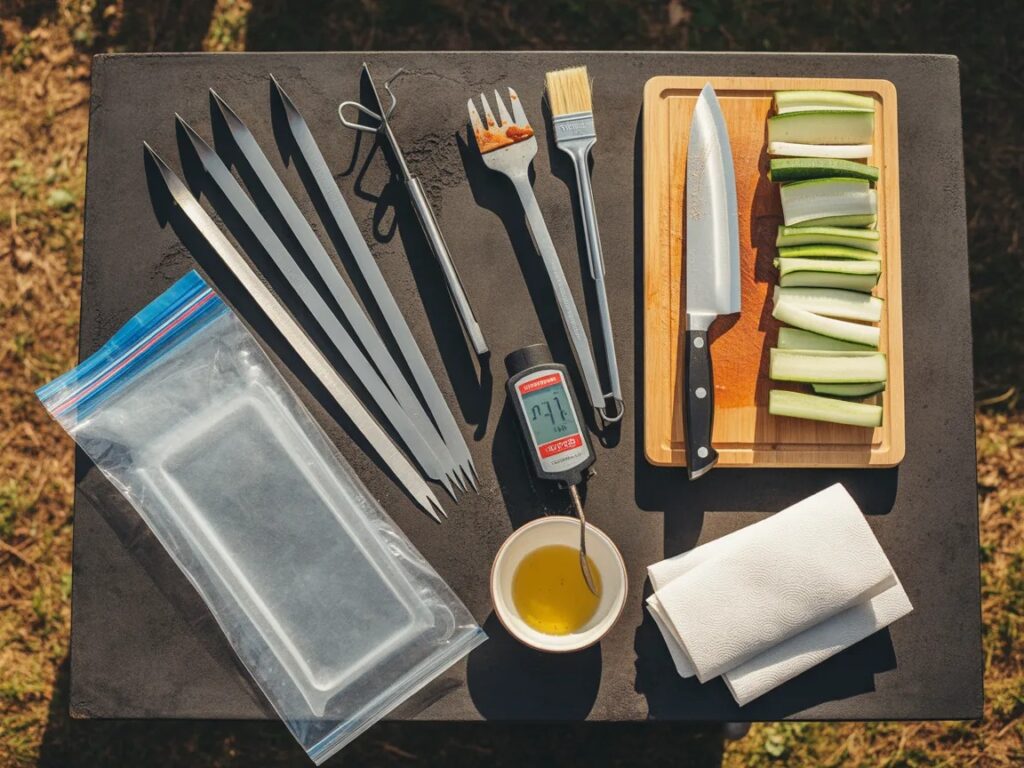
- Gas or charcoal grill — the non-negotiable centerpiece; charcoal adds smoke flavor, gas gives control; both work excellently
- Metal skewers (12-inch) — flat or twisted metal skewers don’t spin when you try to flip them, which matters more than you’d think; reusable and reliable
- Or wooden skewers soaked in water 30 minutes — prevents burning through on the grill; FYI metal skewers are genuinely worth the investment if you grill kabobs regularly
- Large zip-lock bag or mixing bowl — for marinating the protein and vegetables
- Tongs — long-handled for safe skewer flipping over direct heat
- Instant-read meat thermometer — for confirming chicken reaches 165°F (74°C) internally
- Cutting board and sharp chef’s knife — for uniform cutting that ensures even cooking
- Basting brush — for applying extra marinade during grilling for deeper flavor
Step-by-Step Instructions
1. Make the Marinade Whisk together olive oil, lemon juice, minced garlic, smoked paprika, oregano, cumin, onion powder, salt, pepper, and cayenne in a bowl until fully combined. Taste the marinade — it should be bold, slightly sharp from the lemon, and richly seasoned. This marinade works for both the protein and the vegetables, so make sure you have enough to coat everything generously.
2. Marinate the Protein Cut the chicken thighs or beef sirloin into even 1.5-inch cubes — consistent sizing ensures even cooking on the grill. Place the cubed protein in a large zip-lock bag or bowl and pour about two-thirds of the marinade over it. Toss to coat thoroughly, seal or cover, and refrigerate for at least 2 hours — up to 8 hours for maximum flavor. Don’t marinate chicken longer than 8 hours as the lemon juice starts to break the texture down.
3. Prep and Marinate the Vegetables Cut all vegetables into pieces roughly the same size as the protein — 1.5 inches for peppers and onion, ¾-inch rounds for zucchini. Toss vegetables in the remaining one-third of the marinade and let them sit at room temperature for 20–30 minutes while the protein finishes marinating and you prep the grill. Vegetables don’t need the same marinating time as meat — they absorb flavor quickly.
4. Soak Skewers and Preheat the Grill If using wooden skewers, submerge them in water for at least 30 minutes before threading — dry wood on a hot grill becomes a small, inconvenient fire. Preheat your grill to medium-high heat — around 400–450°F (200–230°C). For charcoal, let the coals get ash-white and spread into an even layer. A properly preheated grill is what creates those beautiful sear marks and prevents sticking.
5. Thread the Skewers Thread the protein and vegetables alternately onto each skewer — protein piece, pepper, onion, zucchini, mushroom, protein piece, repeat. Leave a small gap between each piece rather than packing them tightly together; airflow around each piece allows more even cooking and better charring on all sides. Alternate colors as you go for a visually striking final skewer.
6. Oil the Grill Grates Fold a paper towel, dip it in oil, and use long tongs to wipe the hot grill grates with the oiled towel just before adding the skewers. This prevents sticking and makes flipping dramatically easier. Don’t skip this step — kabobs that stick to the grates tear apart when you try to turn them and ruin your beautiful skewer arrangement.
7. Grill and Turn Place the skewers on the preheated grill over direct heat. Grill for 3–4 minutes per side, turning three to four times total for even char on all sides. Brush with any remaining marinade during the first two turns for extra flavor and moisture. The total cook time is 12–15 minutes depending on protein type and thickness — beef can go slightly pink in the center; chicken must reach 165°F.
8. Rest and Serve Remove skewers from the grill and let them rest on a clean plate for 3–5 minutes before serving. This allows the juices to redistribute back into the meat instead of running out on the serving platter. Serve on the skewer for dramatic presentation or slide everything off onto a platter for family-style serving — either way works beautifully.
Nutrition Facts
| Serving Size | 2 skewers (approx. 300g) |
| Calories | 380 kcal |
| Total Fat | 20g |
| — Saturated Fat | 4g |
| — Trans Fat | 0g |
| Cholesterol | 120mg |
| Sodium | 560mg |
| Total Carbohydrates | 12g |
| — Dietary Fiber | 3g |
| — Total Sugars | 6g |
| Protein | 38g |
| Vitamin C | 85mg |
| Iron | 2.8mg |
| Potassium | 720mg |
Based on 4 servings using chicken thighs. Values are estimates.
Recipe Variations
- Mediterranean Lamb Kabobs: Swap the chicken or beef for cubed lamb leg or shoulder. Add 1 teaspoon of ground cinnamon and ½ teaspoon of allspice to the marinade alongside the existing spices. Serve with warm pita, tzatziki, and a simple tomato-cucumber salad. Lamb on the grill is deeply savory and aromatic — this variation belongs at every backyard dinner party.
- Shrimp and Vegetable Kabobs: Use large shrimp (16/20 count), peeled and deveined, in place of the meat. Reduce the marinating time to 15–20 minutes maximum — any longer and the lemon juice starts to chemically “cook” the shrimp. Grill for just 2–3 minutes per side until pink and just opaque. Shrimp kabobs are the fastest, most elegant option for entertaining.
- Fully Vegetarian Kabobs: Replace all protein with a combination of halloumi cheese cubes, cherry tomatoes, thick-cut eggplant, and extra mushrooms. Halloumi holds its shape beautifully on the grill without melting and develops a golden, slightly crispy exterior. Marinate everything in the same base marinade and grill on medium heat for 3–4 minutes per side.
Recommended Ways to Serve
- Mediterranean Platter Style: Slide the grilled kabobs off their skewers onto a large platter lined with warm pita bread. Add hummus, tzatziki, a simple cucumber-tomato salad, and pickled red onions around the edges. This style of serving is casual, communal, and genuinely beautiful — the kind of spread that makes a weeknight dinner feel like an event.
- Over Rice or Couscous: Serve the skewers whole over a bed of fluffy saffron rice, herbed couscous, or jeweled rice with dried fruits and toasted almonds. Spoon some of the grilled juices from the resting plate over the top. This format works for a proper sit-down dinner where you want each plate to look complete and intentional.
- In Wraps with Garlic Sauce: Pull the protein and vegetables off the skewers and stuff into warm flatbreads or flour tortillas with garlic yogurt sauce, fresh shredded lettuce, tomatoes, and a squeeze of lemon. This wrap format is perfect for casual outdoor serving — everyone builds their own and the whole setup is low-maintenance and high-satisfaction.
Storing and Reheating Guidelines
- Refrigerator: Store leftover cooked kabobs (protein and vegetables removed from skewers) in an airtight container for up to 4 days. They keep well and reheat nicely — the flavors continue to meld in the fridge and the leftovers make excellent meal-prep protein for grain bowls, wraps, or salads throughout the week.
- Freezer: Freeze marinated but uncooked protein (without vegetables) in a sealed bag for up to 3 months — this is actually a brilliant freezer meal strategy. Thaw overnight in the refrigerator, thread onto skewers with fresh vegetables, and grill directly. You do the marinade work once and get multiple kabob nights from a single prep session.
- Reheating cooked kabobs: Reheat in a skillet over medium heat with a splash of olive oil for 3–4 minutes, turning occasionally, until warmed through. The oven at 350°F (175°C) for 10 minutes also works well. Avoid the microwave — it makes the chicken rubbery and the vegetables sad and watery. The stovetop keeps the exterior texture intact and is worth the extra two minutes.
Common Mistakes to Avoid & Fixes
| ❌ Mistake | ✅ Fix |
|---|---|
| Cutting pieces inconsistently | Small pieces overcook before large pieces are done. Cut everything to a uniform 1.5 inches so the whole skewer cooks at the same rate. Eyeballing is fine; wildly different sizes are not. |
| Marinating chicken for more than 8 hours | The lemon juice in the marinade starts to denature the protein and creates a mushy, unpleasant texture. 2–8 hours is the sweet spot; overnight is too long for anything with citrus. |
| Packing the skewer too tightly | Tight-packed pieces steam each other instead of charring. Leave small gaps between each piece so heat circulates and caramelization can happen on all surfaces. |
| Using wooden skewers without soaking | Dry wooden skewers catch fire on a hot grill. Soak in water for 30 minutes minimum. Or just buy metal skewers and eliminate the problem entirely. |
| Not oiling the grill grates before cooking | Protein sticks to dry grill grates and tears when you try to flip. Oil the grates right before adding the skewers, every single time. |
| Flipping too early | Let the kabobs sear undisturbed for the full 3–4 minutes per side before attempting to turn. If they stick when you try to flip, they need another 30–60 seconds — properly seared meat releases naturally. |
Alternatives & Substitutions
- Chicken breasts instead of thighs: You can — but chicken breasts dry out significantly faster than thighs on the high heat of a grill. If you insist on breasts, cut them slightly larger (2 inches) and pull them at exactly 165°F. IMO thighs are the superior kabob protein and the taste difference is genuinely noticeable — try thighs if you haven’t.
- No fresh lemon? White wine vinegar or red wine vinegar can substitute for lemon juice in the same quantity. The flavor shifts slightly more sharp and less bright, but the tenderizing and balancing effect on the marinade is similar. A splash of white wine also works beautifully.
- No cumin or paprika? Za’atar, sumac, or a pre-made shawarma spice blend can replace the individual spices for an equally authentic-tasting Mediterranean kabob. Pre-blended spices make the marinade faster and often have beautiful complexity already built in.
- Indoor alternative — grill pan or broiler: No outdoor grill? A cast iron grill pan over high heat replicates the sear marks and charred effect well — use the same timing and oil the pan before adding skewers. The oven broiler on high with skewers on a wire rack over a foil-lined baking sheet also produces excellent results — broil for 5–6 minutes per side, watching closely.
- Tofu or paneer for vegetarian protein: Both hold their shape well on skewers and absorb the marinade beautifully. Press tofu for at least 30 minutes before marinating to remove excess water. Paneer is naturally firm and can go directly into the marinade — it develops a gorgeous golden char on the grill in just 2–3 minutes per side.
FAQ (Frequently Asked Questions)
Q. Should I separate meat and vegetables on different skewers? Ans: For home grilling, alternating them on the same skewer looks beautiful and is perfectly fine when the pieces are similarly sized. However, if you’re cooking for a large group and need precise control — especially when mixing chicken and quick-cooking vegetables — separate skewers let you pull each element at its ideal doneness. Both approaches work; mixed skewers just look more dramatic on the platter.
Q. How do I prevent vegetables from sliding around on the skewer? Ans: Cut them into chunky, stable pieces — thin or small pieces spin and slide. For onions specifically, keep layers attached and cut wedges rather than separating rings. Threading through the center of each piece rather than the edge also locks them in place much more securely. Flat metal skewers are especially helpful since the double-pronged or flat design prevents spinning entirely.
Q. How long should I marinate the kabobs for best results? Ans: For chicken: 2–4 hours is the sweet spot — enough for deep flavor penetration without the texture degrading. For beef: 4–8 hours works beautifully; up to overnight for tougher cuts. For shrimp: 15–20 minutes only — citrus marinades work fast on shellfish and overmarinating makes them mealy. Vegetables only need 20–30 minutes at room temperature to pick up enough flavor.
Q. My kabobs are burning on the outside but raw inside — what went wrong? Ans: The grill heat was too high, the pieces were too large, or both. Move the kabobs to a cooler part of the grill (indirect heat) after the initial sear, close the lid, and let them finish cooking through. Going forward, keep pieces at 1.5 inches maximum and use medium-high (not maximum) heat. A meat thermometer removes all guesswork from the equation.
Q. Can I prep kabobs completely the night before? Ans: Yes — marinate the protein overnight (keep the marinating time limits in mind), cut and marinate the vegetables in a separate container for a shorter time, and store skewers assembled in the fridge covered with plastic wrap. Pull them out 20 minutes before grilling to take the chill off. This is genuinely the best approach for dinner parties — all the prep done, just grill and serve.
Q. What’s the best grill temperature for kabobs? Ans: Medium-high heat — approximately 400–450°F (200–230°C) — is ideal. High enough to create a proper sear and char marks, not so high that the outside burns before the center cooks. For charcoal, this means ash-white coals spread in an even layer. For gas, this is typically medium-high on two burners. Use an infrared thermometer or the hand-hover test: you should be able to hold your hand 6 inches above the grate for about 4 seconds before it’s too hot.
Latest Articles
-
Chocolate Cake Decoration: Make It Look Like You Actually Tried
-
-
🥬 Kitchen Vegetable Storage: Keeping Your Harvest Fresh as a Dew-Kissed Meadow
-
Air Fryer Baked Potatoes: Crispy Outside, Fluffy Inside, Zero Patience Required
-
Hashbrown Breakfast Casserole: The Breakfast That Does All the Heavy Lifting
-
🍳 Kitchen Decor Ideas: Transforming Your Cooking Space into a Warm, Functional Meadow
Final Thoughts
Grilled kabobs are one of those recipes that genuinely punch above their weight — minimal ingredients, minimal technique, maximum visual impact and flavor. The marinade does its job quietly while you go about your day, and 12 minutes on a hot grill transforms everything into something smoky, charred, deeply flavored, and beautiful. Whether you’re hosting a backyard summer gathering, feeding a weeknight family dinner, or just treating yourself to something that feels like a proper occasion — kabobs deliver completely and consistently. Now go impress someone — or yourself — with your new culinary skills. You’ve absolutely earned it. And maybe make extra skewers. Leftover kabobs in a wrap the next day are one of life’s quieter pleasures.