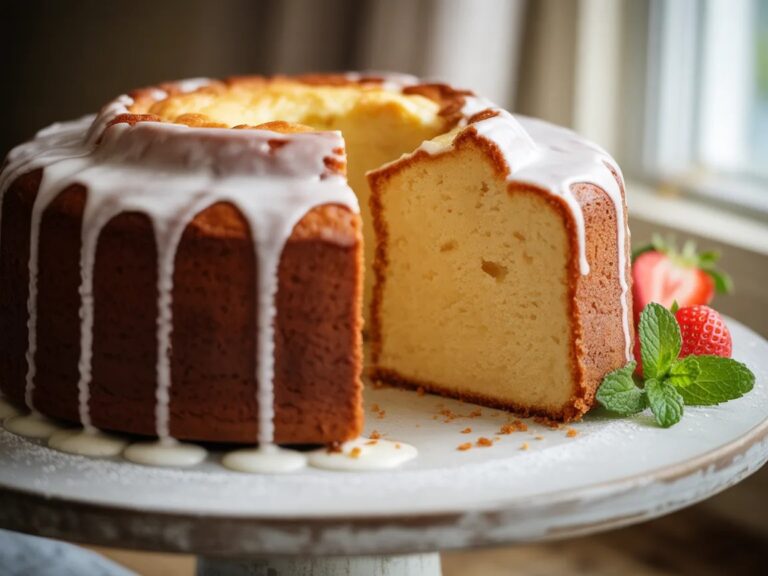
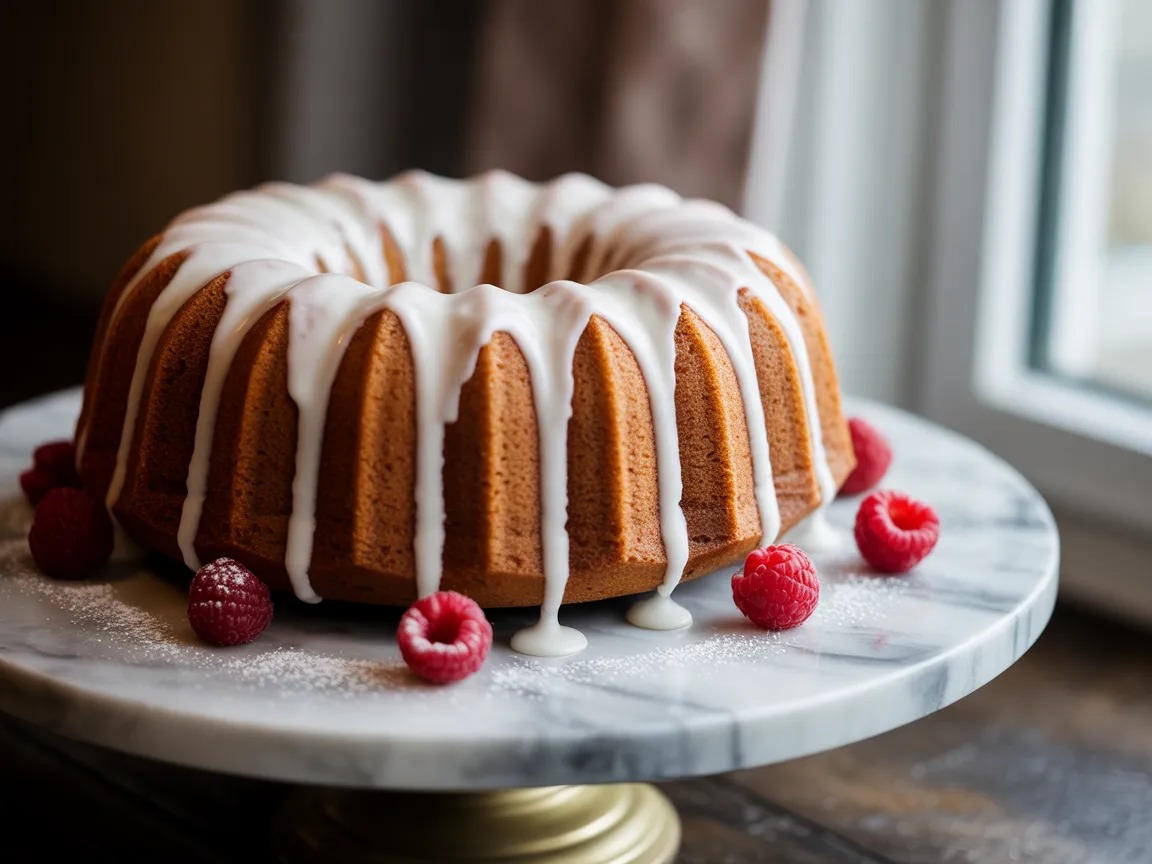
Here’s the thing about Bundt cakes — they look like you spent hours crafting something from a Parisian patisserie, but the pan does about 80% of the visual work for you. That gorgeous fluted shape? That’s just the mold. You mixed some batter, poured it in, and the oven and pan conspired together to make you look like an absolute baking genius. Whether you’re bringing dessert to a dinner party, celebrating something, or just really want cake on a Tuesday with zero apology — a classic vanilla Bundt cake with a glossy glaze is the move. Simple, stunning, and significantly easier than it has any right to be.
Quick Look at the Recipe
| 🧠 Skill Level | ⏱️ Prep Time | 🍳 Cook Time | ⏰ Total Time |
|---|---|---|---|
| Intermediate Beginner | 20 minutes | 50–60 minutes | ~1 hour 30 minutes |
| 🍽️ Servings | 📋 Course | 🌍 Cuisine | 🔥 Calories |
|---|---|---|---|
| 12–14 slices | Dessert / Celebration | American | ~420 per slice |
Why This Recipe is Awesome
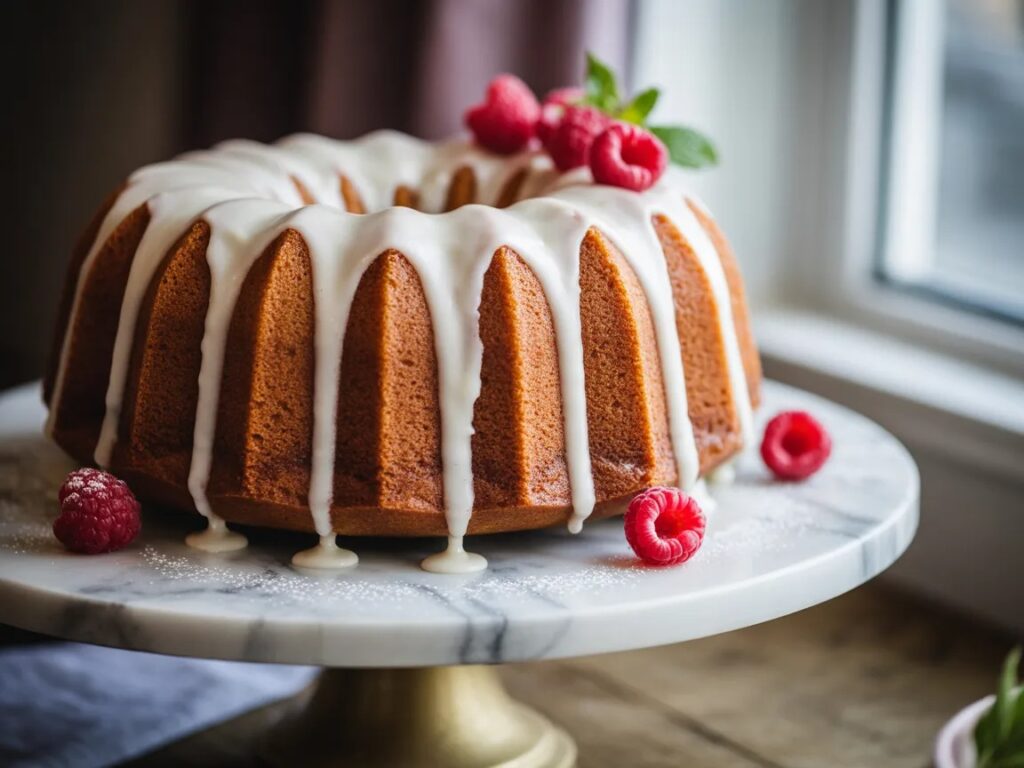
Let’s talk about why the Bundt cake deserves way more hype than it gets. First, the pan is doing the decorating for you — no frosting skills required, no piping bags, no stressing over whether your rosettes look like actual roses or sad little blobs. You pour, you bake, you flip, you glaze. Done. The texture of a well-made Bundt is also genuinely spectacular — dense enough to feel substantial but tender and moist enough that every single slice is satisfying from the first bite to the last crumb. It travels well, slices cleanly, feeds a crowd, and looks absolutely gorgeous on a cake stand without any extra effort. It’s the dessert equivalent of wearing a blazer — instantly impressive with almost no work involved. And because the base recipe is so solid and versatile, you can riff on it endlessly once you’ve nailed it. FYI, it also keeps beautifully for days, which means there are leftovers, and that’s never a bad thing.
Ingredients You’ll Need
For the Cake:
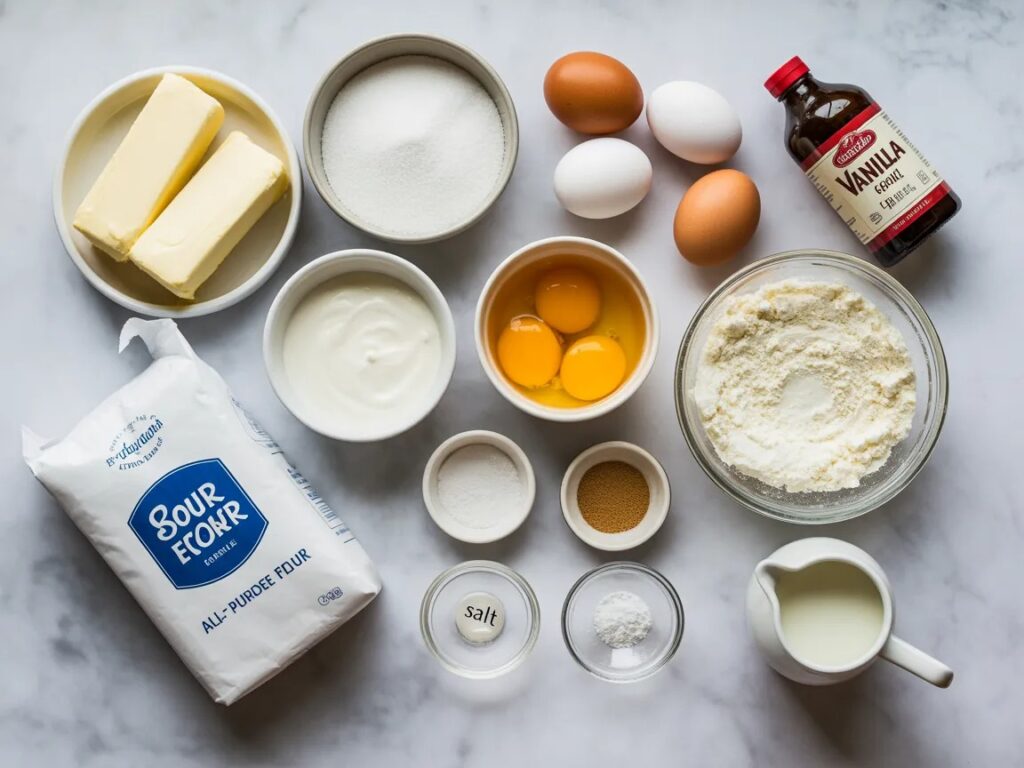
- [ ] 3 cups all-purpose flour — the structural foundation; measure it properly (spoon and level, don’t scoop)
- [ ] 1 teaspoon baking powder — for lift; check the expiry date on yours, old baking powder is basically decorative
- [ ] 1/2 teaspoon baking soda — works with the sour cream to keep things tender
- [ ] 1/2 teaspoon salt — balances the sweetness and sharpens all the other flavors
- [ ] 1 cup (2 sticks) unsalted butter, softened — room temperature, not melted, not cold — actually softened
- [ ] 2 cups granulated sugar — yes, all of it; this is cake, not a salad
- [ ] 4 large eggs, room temperature — cold eggs can cause the batter to curdle, so plan ahead
- [ ] 1 cup full-fat sour cream — the secret weapon for incredible moisture and a tender crumb
- [ ] 2 teaspoons pure vanilla extract — use the real stuff; imitation vanilla is technically allowed but IMO it’s a sad compromise
- [ ] 1/4 cup whole milk — loosens the batter slightly for a better pour
For the Vanilla Glaze:
- [ ] 1.5 cups powdered sugar, sifted — sift it or accept lumpy glaze, your choice
- [ ] 3–4 tablespoons milk or heavy cream — adjust to get a thick, pourable consistency
- [ ] 1/2 teaspoon vanilla extract — because the glaze deserves flavor too
Recommended Tools
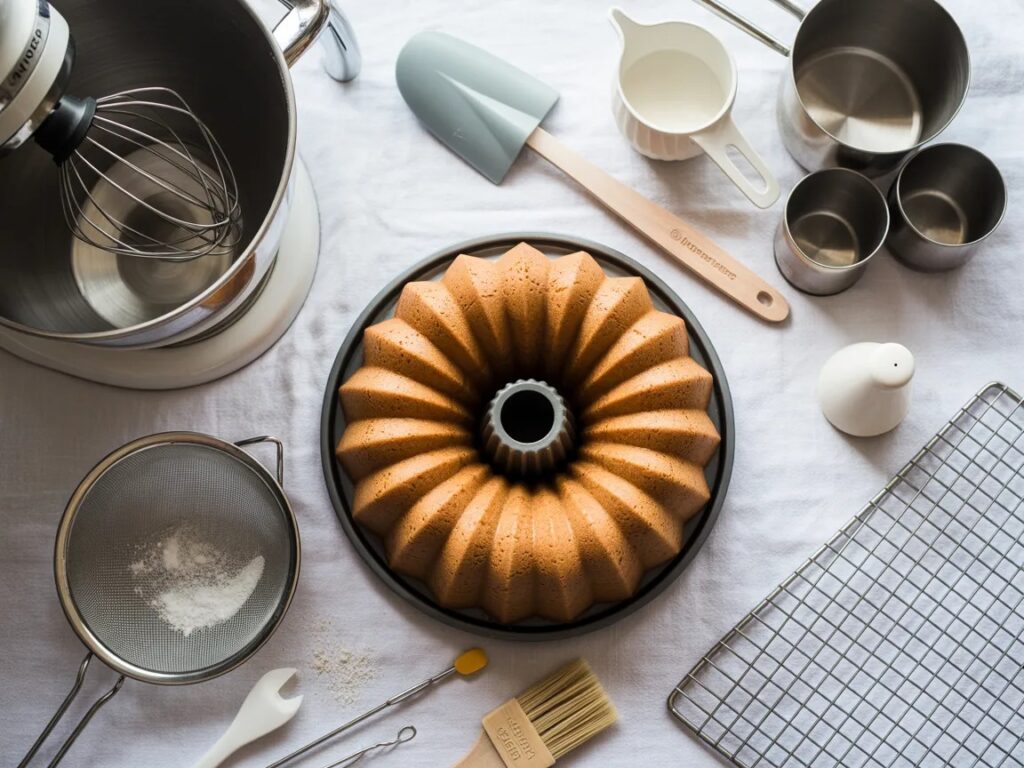
- 10–12 cup Bundt pan — the hero of this entire recipe; a quality non-stick pan makes all the difference when it comes to releasing the cake cleanly
- Stand mixer or electric hand mixer — creaming butter and sugar properly by hand is theoretically possible and practically miserable
- Rubber spatula — for scraping down the sides of the bowl and getting every bit of that batter into the pan
- Measuring cups and spoons — baking is chemistry; approximate measurements are for people who enjoy disappointment
- Wire cooling rack — essential for cooling the cake evenly after flipping; a plate will trap steam and make the bottom soggy
- Sifter or fine mesh strainer — for the dry ingredients and the powdered sugar glaze
- Pastry brush — for greasing the Bundt pan thoroughly and getting into every ridge and crevice
- Toothpick or skewer — for testing doneness without cutting the cake open like an impatient person
Step-by-Step Instructions
- Preheat your oven to 325°F (163°C) and prepare your Bundt pan meticulously. Use softened butter and a pastry brush to grease every single ridge, curve, and corner of the pan, then dust with flour and tap out the excess. This step is non-negotiable — a poorly greased Bundt pan is the number one reason cakes don’t release cleanly. Don’t rush it.
- Whisk together the flour, baking powder, baking soda, and salt in a medium bowl and set aside. Sifting the dry ingredients together ensures even distribution of the leaveners — no pockets of baking soda hiding in your finished cake ready to ruin someone’s bite.
- Beat the softened butter and sugar together in your stand mixer on medium-high speed for a full 4–5 minutes until pale, light, and fluffy. This creaming process isn’t just mixing — it’s incorporating air into the batter that creates a lighter, more tender final texture. Don’t skip time on this step; it genuinely matters.
- Add the eggs one at a time, beating well after each addition, then mix in the vanilla extract and sour cream. If the mixture looks slightly curdled at this point, don’t panic — it will come together once the flour goes in. Keep going.
- Add the dry ingredients to the wet ingredients in three additions, alternating with the milk. Start and end with the dry ingredients. Mix on low speed just until combined after each addition — overmixing develops gluten and makes the cake tough, so stop mixing the moment the streaks of flour disappear.
- Pour the batter evenly into the prepared Bundt pan and smooth the top with a spatula. Tap the pan firmly on the counter 2–3 times to release any air bubbles trapped in the batter. Bake for 50–60 minutes until a toothpick inserted in the thickest part comes out clean or with just a few moist crumbs.
- Cool the cake in the pan for exactly 10–15 minutes — not more, not less. Then invert it onto a wire rack and let it cool completely before glazing. Whisk together the powdered sugar, milk, and vanilla for the glaze until smooth, then drizzle generously over the cooled cake and let it set for 10 minutes before slicing.
Nutrition Facts
━━━━━━━━━━━━━━━━━━━━━━━━━━━━━━━━━
       NUTRITION FACTS
       Serving Size: 1 slice (1/12 of cake)
       Servings Per Recipe: 12–14
━━━━━━━━━━━━━━━━━━━━━━━━━━━━━━━━━
Calories                        420
━━━━━━━━━━━━━━━━━━━━━━━━━━━━━━━━━
Total Fat                       18g     23%
  Saturated Fat                 11g     55%
  Trans Fat                      0g
Cholesterol                   105mg    35%
Sodium                        210mg     9%
Total Carbohydrate              61g     22%
  Dietary Fiber                  1g      4%
  Total Sugars                  40g
Protein                          5g
━━━━━━━━━━━━━━━━━━━━━━━━━━━━━━━━━
Vitamin A             150mcg    17%
Calcium               55mg       4%
Iron                  1.8mg     10%
Potassium            100mg       2%
━━━━━━━━━━━━━━━━━━━━━━━━━━━━━━━━━
*Based on a 2,000 calorie diet.
Glaze included in estimates.
━━━━━━━━━━━━━━━━━━━━━━━━━━━━━━━━━
Recipe Variations
- Lemon Poppy Seed Bundt — Add the zest of two lemons and 2 tablespoons of poppy seeds to the batter, replace the vanilla in the glaze with fresh lemon juice, and drizzle a bright lemony icing over the top. Fresh, zingy, and genuinely beautiful — perfect for spring gatherings or any day you want something that tastes like sunshine.
- Chocolate Marble Bundt — Remove one-third of the finished batter, stir in 3 tablespoons of cocoa powder and 1 tablespoon of melted chocolate, then swirl it through the vanilla batter in the pan with a knife before baking. Two flavors, zero extra effort, maximum drama.
- Cinnamon Brown Sugar Bundt — Swirl a mixture of 1/2 cup brown sugar, 1 tablespoon cinnamon, and 2 tablespoons melted butter through the batter before baking. Top with a simple powdered sugar drizzle. Tastes like a coffee cake and a Bundt had a delicious baby.
Recommended Ways to Serve
- Classic with Glaze and Fresh Berries — Place the glazed Bundt on a beautiful cake stand and scatter fresh strawberries, raspberries, or blueberries around the base and tumbling into the center hole. It looks ridiculously elegant for approximately zero extra effort.
- Warm with Whipped Cream — Slice and serve slightly warm with a generous dollop of fresh whipped cream or a scoop of vanilla ice cream. The contrast of warm tender cake and cold cream is one of those simple pleasures in life that never gets old.
- Dusted with Powdered Sugar for a Minimalist Finish — Skip the glaze entirely and simply dust the top generously with powdered sugar right before serving. Clean, classic, and looks like something from a European café window. Sometimes less really is more.
Storing and Reheating Guidelines
- Room Temperature — Store the fully cooled, glazed cake under a cake dome or wrapped tightly in plastic wrap at room temperature for up to 3 days. The sour cream in the batter keeps it moist and tender — it actually gets slightly better on day two as the flavors settle.
- Refrigerator — For longer storage, refrigerate in an airtight container for up to 5–6 days. Bring slices to room temperature before serving for the best texture — cold cake is denser and less enjoyable than it deserves to be.
- Freezer — Freeze unglazed cake slices individually wrapped in plastic wrap, then placed in a zip-lock bag, for up to 3 months. Thaw overnight in the fridge or at room temperature for a couple of hours, then glaze fresh before serving. Do not freeze the glaze — it gets weird.
Common Mistakes to Avoid & Fixes
| ❌ Mistake | ✅ Fix |
|---|---|
| Not greasing the Bundt pan properly | Get a pastry brush and coat every single ridge with softened butter, then flour it. If your cake tears on the way out, this is why. Every time. |
| Using cold butter and cold eggs | Cold butter won’t cream properly and cold eggs can make the batter break. Pull them out of the fridge an hour before you start — plan ahead like an adult. |
| Flipping the cake out too early | Flip too soon and the cake breaks; wait too long and it sticks as it cools. The sweet spot is exactly 10–15 minutes in the pan after baking. Set a timer. |
| Overmixing the batter after adding flour | Overworked gluten = tough, dense cake. Once the flour goes in, mix on low and stop the moment everything is combined. Resist the urge to keep going. |
| Not testing for doneness before pulling from the oven | Oven temperatures vary. Always use a toothpick — if it comes out with wet batter, give it 5 more minutes. A few moist crumbs are fine; raw batter is not. |
| Pouring glaze on a warm cake | Warm cake absorbs glaze like a sponge and you lose the beautiful drip effect entirely. Let it cool completely — patience is a virtue and also the key to pretty glaze. |
| Using a cheap non-stick Bundt pan | Thin, low-quality pans heat unevenly and the coating deteriorates, causing sticking. A good quality heavy pan is a lifetime investment that pays off every single bake. |
Alternatives & Substitutions
- Greek yogurt instead of sour cream — Full-fat Greek yogurt is an almost identical swap and many bakers actually prefer it. Same tangy moisture, slightly lighter texture. Works beautifully and is easier to find in some households.
- Brown butter instead of regular butter — Melt the butter in a saucepan, cook it until it turns golden and smells nutty, then cool and use in place of creamed butter (you’ll need to adjust the mixing method slightly). The depth of flavor it adds is genuinely extraordinary.
- Cake flour instead of all-purpose — Swap cup for cup for a more delicate, finer crumb. The texture gets noticeably lighter and more tender. Worth it if you can find it.
- Almond extract instead of vanilla — Use 1 teaspoon of almond extract in place of one of the two teaspoons of vanilla. It adds a warm, slightly floral, sophisticated flavor dimension that pairs surprisingly well with the buttery crumb.
- Dairy-free alternatives — Swap the butter for vegan butter, the sour cream for full-fat coconut cream or dairy-free yogurt, and the milk for oat milk. The texture is slightly different but still genuinely good — tested and approved.
- Add-ins for extra texture — Fold in a cup of chopped toasted pecans, walnuts, or chocolate chips to the finished batter before pouring into the pan. They sink slightly during baking and create little pockets of texture and flavor throughout every slice.
FAQ (Frequently Asked Questions)
Q. Why did my Bundt cake stick to the pan and come out in pieces? Ans: Almost certainly a greasing issue — either the pan wasn’t coated thoroughly enough, you used cooking spray instead of butter and flour, or you waited too long to flip it and it cooled and stuck. Next time, use a pastry brush with softened butter, get into every ridge, then flour it properly. It’s a bit tedious but completely worth it.
Q. Can I use a regular round cake pan instead of a Bundt pan? Ans: You can, but you’ll lose the iconic shape and the baking time will need adjusting since the Bundt’s center tube helps the thick batter cook evenly. Without it, the center of a deep round cake can stay raw while the edges overbake. A tube pan or angel food cake pan works as a closer substitute.
Q. My cake domed on top and doesn’t sit flat when flipped — is that normal? Ans: Totally normal and actually expected. The top of the Bundt (which becomes the bottom when flipped) rarely bakes completely flat. If it bothers you, carefully slice a thin layer off with a serrated knife before flipping to create a stable base. No one will ever know.
Q. Can I make this ahead of time? Ans: Yes, and it’s a great idea. Bake the cake a day ahead, wrap it tightly, and store at room temperature unglazed. Add the glaze the day of serving for the freshest look. A day of rest actually gives the crumb time to set up perfectly and the flavors deepen overnight.
Q. Can I use a boxed cake mix for a Bundt cake? Ans: Absolutely — there’s zero shame in it. Use the mix, add an extra egg, swap the water for milk, and add a packet of instant pudding mix for extra moisture. Pour into your prepared Bundt pan and bake according to adjusted times. It’s a legitimate shortcut and the results are genuinely good.
Q. How do I know when my Bundt cake is fully done? Ans: Insert a toothpick or thin skewer into the thickest part of the cake — if it comes out clean or with just a couple of moist crumbs attached, you’re done. If it comes out with wet batter, close the oven and give it 5 more minutes. Also, the edges will start pulling slightly away from the pan when it’s ready.
Q. Can I make mini Bundt cakes with this recipe? Ans: Yes! Use a mini Bundt pan and reduce the baking time to around 20–25 minutes. They’re adorable, portion-perfect, and honestly make you look even more impressive than a full-sized cake. Individual desserts always get extra style points.
Latest Articles
-
Chocolate Cake Decoration: Make It Look Like You Actually Tried
-

-
🥬 Kitchen Vegetable Storage: Keeping Your Harvest Fresh as a Dew-Kissed Meadow
-

Air Fryer Baked Potatoes: Crispy Outside, Fluffy Inside, Zero Patience Required
-
Hashbrown Breakfast Casserole: The Breakfast That Does All the Heavy Lifting
-
🍳 Kitchen Decor Ideas: Transforming Your Cooking Space into a Warm, Functional Meadow
Final Thoughts
The classic Bundt cake is one of those recipes that earns a permanent spot in your baking rotation — it’s impressive enough for celebrations, simple enough for a casual weekend bake, and versatile enough that you can reinvent it a dozen different ways without ever getting bored. Once you nail the greasing technique and the mixing method, the rest is genuinely easy. The pan does the heavy lifting, the oven does the work, and you get to take all the credit. That’s a deal worth taking every single time. Now go grease that pan, preheat that oven, and bake yourself something spectacular. You’ve absolutely earned it. 🎂