Fresh vegetables are a joy — until they wilt, rot, or get lost in the back of the fridge. Smart kitchen vegetable storage keeps your produce crisp, visible, and beautiful. From wooden crates of onions and potatoes to hanging wicker baskets of tomatoes and garlic, from wire baskets of apples on the counter to open shelves lined with colorful peppers and squash, the way you store your vegetables can be as decorative as it is functional. Like a meadow that offers both beauty and sustenance, your kitchen can display its bounty while keeping everything fresh and accessible.
These kitchen vegetable storage ideas will transform how you store produce. You’ll learn which vegetables need cool, dark places (potatoes, onions, garlic) and which thrive on the counter (tomatoes, avocados, citrus). You’ll discover the beauty of woven baskets, metal bins, and wooden crates — storage that looks as good as it works. Like a harvest gathered in a meadow, your vegetables deserve a home that honors their freshness and adds warmth to your kitchen.
1. Wooden Crate Abundance: Root Vegetables in Rustic Storage
Fill a wooden crate with potatoes, onions, garlic, and winter squash — root vegetables that need cool, dark, well-ventilated storage. This rustic kitchen vegetable storage is both functional and beautiful. You’ll love how the wood crate adds farmhouse charm, and how the vegetables’ earthy colors create a still life, like a harvest gathered from a meadow.
Wooden crates are ideal for kitchen vegetable storage because they allow air circulation. Use them for onions, potatoes, garlic, and shallots. Keep the crate in a cool, dark corner (not under the sink — too humid). The crate’s natural material complements the vegetables’ organic shapes. Stack multiple crates for a pantry-like display.
2. Metal Baskets: Onions & Apples Side by Side
Use two galvanized metal baskets — one for onions, one for apples — on an open shelf or counter. This practical kitchen vegetable storage keeps produce separate (onions and apples shouldn’t be stored together; apples emit ethylene gas that makes onions sprout). You’ll appreciate how the metal baskets add an industrial farmhouse touch, and how the vegetables stay visible and accessible.
Metal baskets are a great kitchen vegetable storage choice for produce that needs air circulation. Use them for onions, garlic, potatoes, and winter squash. Keep apples separate (they ripen other produce). The metal is durable and easy to clean. Hang them from hooks or place on shelves. The industrial look pairs well with wood and marble.
3. Window Shelf: Sun-Loving Vegetables on Display
Install a narrow wooden shelf beside a sunny kitchen window and fill it with tomatoes, peppers, and eggplants — vegetables that love a bit of warmth and light. This charming kitchen vegetable storage turns produce into decor. You’ll adore how the sun warms the vegetables, ripening them gently, and how the shelf becomes a living still life, like a miniature kitchen garden.
Not all vegetables need darkness. In kitchen vegetable storage, tomatoes, peppers, and avocados ripen best at room temperature. A sunny windowsill is perfect for them. Use a narrow shelf to keep them contained. The sunlight will bring out their colors, and you’ll always see when they’re ready to eat. It’s productive and pretty.
4. Clear Counter, One Bowl: Minimalist Produce Display
Keep your kitchen counters clear except for one large bowl of seasonal vegetables — a pile of tomatoes, a mound of peppers, a heap of zucchini. This minimalist kitchen vegetable storage is striking in its simplicity. You’ll love how the single bowl becomes a focal point, and how the empty space makes the vegetables feel special, like a work of art.
Sometimes less is more. In kitchen vegetable storage, a single large bowl of vegetables on a clean counter is a statement. Choose a wooden bowl, a ceramic one, or a simple metal colander. Fill it with whatever is in season. The bowl can be moved to the table for meals. It’s storage that’s also a centerpiece.
5. Stacked Metal Baskets: Vertical Produce Storage
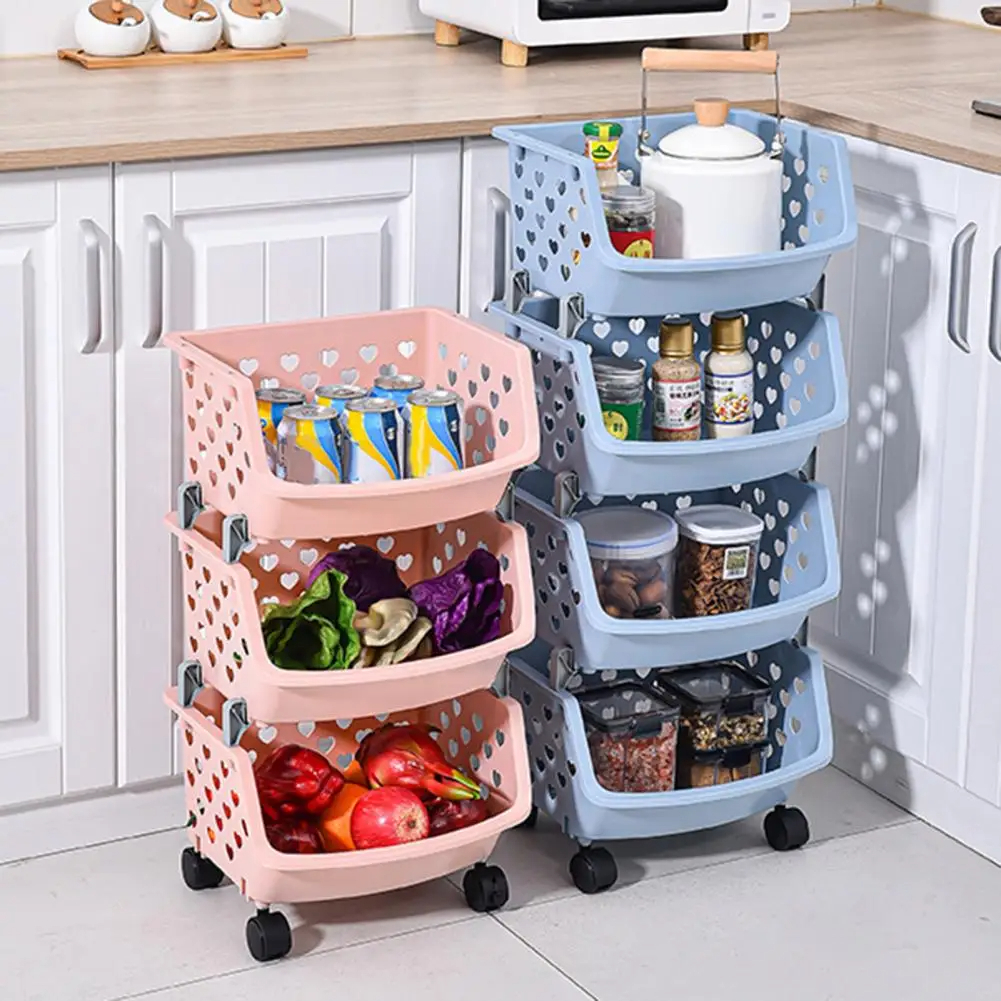
Stack two metal wire baskets on a counter or shelf, one holding fruit, the other vegetables. This vertical kitchen vegetable storage saves space and looks great. You’ll appreciate how the baskets allow air to circulate, and how the stack keeps produce organized and visible, like a market display in your own kitchen.
Stackable metal baskets are a space-saving kitchen vegetable storage solution. Use one for fruit (apples, oranges, lemons) and one for vegetables (onions, garlic, tomatoes). The wire allows air flow, preventing premature ripening. Stack them to save counter space. They’re also portable — grab the basket to bring produce to the table.
6. Open Shelving: A Rainbow of Produce
Arrange colorful vegetables on open kitchen shelves — red peppers, orange carrots, purple eggplants, green zucchini. This vibrant kitchen vegetable storage turns your produce into a living color wheel. You’ll love how the vegetables look like art, and how the open shelves keep everything visible and easy to grab, like a painter’s palette of edible colors.
Open shelving is a brave kitchen vegetable storage choice — everything is visible, so it must be beautiful. But vegetables are naturally beautiful. Arrange them by color or type. Use shallow baskets to contain small items. The open display encourages you to eat your vegetables before they wilt. It’s organized, accessible, and gorgeous.
7. Wooden Shelf with Baskets: Textured Storage
Install a wide wooden shelf and fill it with a mix of wicker baskets, wooden bowls, and loose vegetables. This textured kitchen vegetable storage is warm and inviting. You’ll adore how the wood and wicker echo the vegetables’ organic shapes, and how the shelf becomes a focal point, like a farm stand in your kitchen.
Layering is key in kitchen vegetable storage. Use the shelf itself as a base, then add baskets, bowls, and loose produce. Vary heights — tall jars of dried goods, medium bowls of tomatoes, low baskets of potatoes. The eye moves around the arrangement, finding new colors and textures. It’s functional and beautiful.
8. Windowsill Wicker: Small Baskets of Herbs & Veggies
Line a sunny windowsill with three small wicker baskets, each holding a different vegetable — cherry tomatoes, baby peppers, or fresh herbs. This charming kitchen vegetable storage makes use of often-wasted space. You’ll love how the baskets catch the morning light, and how the vegetables are always at hand for cooking, like a tiny edible garden indoors.
A windowsill is prime real estate for kitchen vegetable storage. Small wicker baskets fit perfectly on narrow sills. Use them for vegetables that ripen in light (tomatoes) or herbs that you’ll use fresh (basil, parsley, cilantro). The baskets are portable — bring the whole basket to the table. It’s storage that’s always within reach.
9. Hanging Wall Baskets: Vertical Vegetable Storage
Mount three wire or wicker baskets on a kitchen wall, hanging them from hooks or a rail. Use them for garlic, shallots, and small onions. This vertical kitchen vegetable storage frees up counter space. You’ll appreciate how the hanging baskets keep produce visible and accessible, and how the wall becomes a functional feature, like a suspended garden.
Hanging baskets are a clever kitchen vegetable storage solution for small kitchens. Use them for lightweight produce that needs air circulation — garlic, shallots, small onions, or chilies. Hang them at eye level so you can see what you have. The baskets are decorative as well as functional. They turn an empty wall into a pantry.
10. Multi-Basket Counter: Organized Abundance
Arrange several small baskets on a counter, each dedicated to a different vegetable — one for onions, one for garlic, one for potatoes, one for tomatoes. This organized kitchen vegetable storage keeps like with like. You’ll love how the baskets contain the produce, and how the arrangement looks like a mini farmer’s market, with each basket its own stall.
Baskets are the unsung heroes of kitchen vegetable storage. Use them to sort produce by type or by when it will be used. Label each basket if needed. The baskets allow air circulation and hide any imperfect skins. They also make it easy to grab a basket and take it to the table or stove. It’s organized, portable, and charming.
11. Wall-Mounted Wicker: Space-Saving Vegetable Display
Hang three wicker baskets on a wall, each filled with a different vegetable — one with potatoes, one with onions, one with garlic. This rustic kitchen vegetable storage saves precious counter space. You’ll adore how the baskets’ woven texture warms the room, and how the vegetables become part of the decor, like a hanging harvest.
Wall-mounted wicker baskets are a beautiful kitchen vegetable storage solution. Mount them on a wooden board or directly on the wall. Use them for vegetables that don’t need refrigeration. The baskets are deep enough to hold a good quantity. The wall display keeps the vegetables out of the way but always visible.
12. Single Statement Basket: One Beautiful Bowl
Place a single large wicker basket on the counter, filled with a mix of vegetables — tomatoes, peppers, zucchini, and eggplant. This simple kitchen vegetable storage is uncluttered and elegant. You’ll love how the basket’s texture contrasts with the counter, and how the vegetables look like an abundant still life, like a harvest gathered in one vessel.
A single large basket is a classic kitchen vegetable storage choice. It’s simple, portable, and beautiful. Choose a basket that’s wide and shallow so the vegetables are visible. Use it for vegetables that don’t need to be separated (like mixed summer squash or peppers). The basket can be moved to the table for serving. It’s storage that’s also a centerpiece.
13. Tiered Metal Rack: Maximum Visibility
Use a tiered metal rack (like a fruit stand) to display vegetables on two or three levels. This vertical kitchen vegetable storage maximizes counter space. You’ll appreciate how the tiers make every vegetable visible, and how the metal rack adds an industrial, market-stall feel, like a display in a greengrocer’s shop.
A tiered stand is a wonderful kitchen vegetable storage tool. Use it for vegetables that ripen on the counter — tomatoes, avocados, peppers. The tiers keep them from touching (which prevents bruising) and make it easy to see what’s ready to eat. Choose a metal or wooden stand. It’s like having a mini produce aisle in your kitchen.
14. Wall-Mounted Fruit & Vegetable Baskets
Mount wire baskets on a wall to hold apples, pears, onions, and garlic. This space-saving kitchen vegetable storage keeps produce off the counter. You’ll love how the baskets’ open weave allows air circulation, and how the wall display turns everyday vegetables into decor, like a harvest hanging in a root cellar.
Wall-mounted wire baskets are a fantastic kitchen vegetable storage solution for small kitchens. Hang them on a wall that’s not in direct sunlight. Use them for fruits and vegetables that need ventilation — apples, pears, onions, garlic. The baskets are easy to see and reach. They keep the counter clear and the produce fresh.
15. Windowsill Produce: A Sunny Storage Spot
Fill a sunny kitchen windowsill with vegetables that love light — tomatoes, peppers, and citrus. This bright kitchen vegetable storage ripens produce naturally. You’ll adore how the sun warms the vegetables, bringing out their colors and flavors, and how the windowsill becomes a living pantry, like a greenhouse in miniature.
A windowsill is an often-underused kitchen vegetable storage spot. Use it for vegetables that ripen best at room temperature and with light. Tomatoes, peppers, and avocados are perfect. Arrange them in a single layer so they don’t touch (prevents mold). The windowsill display is both practical and beautiful, and the sun will help them ripen evenly.
16. Separated Storage: Fruit in One Basket, Vegetables in Another
Use two matching metal baskets — one for fruit, one for vegetables — to keep them separate. This smart kitchen vegetable storage prevents ethylene-producing fruit (apples, bananas) from spoiling vegetables faster. You’ll appreciate how the matching baskets look cohesive, and how the separation keeps everything fresher longer, like a divided market stall.
Separating fruit and vegetables is key to kitchen vegetable storage. Many fruits emit ethylene gas, which speeds ripening (and spoilage) of vegetables. Use one basket for fruit, another for vegetables. Keep the baskets apart on the counter. The matching baskets look intentional, and your produce will last longer.
17. Wooden Bowl Pile: Casual & Accessible
Pile vegetables casually in a large wooden bowl on the counter — a mound of tomatoes, a heap of avocados, a pile of lemons. This relaxed kitchen vegetable storage feels effortless and inviting. You’ll love how the wooden bowl warms the room, and how the vegetables look like an abundant harvest, ready to be grabbed for a salad.
A wooden bowl is a classic kitchen vegetable storage vessel. Its organic shape complements the vegetables’ natural forms. Use a wide, shallow bowl so the vegetables are visible and accessible. Pile them loosely — don’t stack. The bowl can be moved to the table for meals. It’s storage that’s also a centerpiece.
18. Stacked Baskets: Double the Storage, Half the Footprint
Stack two wire baskets on top of each other using a stand or a shelf, doubling your kitchen vegetable storage in the same footprint. You’ll love how the vertical stacking frees up counter space, and how the open baskets keep produce visible and fresh, like a two-story market display.
Stackable baskets are a space-saving kitchen vegetable storage solution. Use a two-tier metal stand or stack baskets directly (if designed to nest). Use the top basket for lighter produce (tomatoes, peppers) and the bottom for heavier (potatoes, onions). The vertical storage keeps the counter clear and the produce organized.
19. Hanging Woven Pouches: Soft Vegetable Storage
Hang woven fabric pouches or mesh bags from a wall rack, each holding a different vegetable — one for garlic, one for shallots, one for chilies. This soft kitchen vegetable storage is lightweight and space-saving. You’ll appreciate how the pouches allow air circulation, and how the wall rack keeps vegetables organized and out of the way, like a hanging pantry.
Hanging pouches are a clever kitchen vegetable storage solution for small spaces. Use natural fabric (cotton, linen) or mesh. Hang them from a hook or a wooden rack. Use them for lightweight produce that needs ventilation — onions, garlic, shallots, chilies. The pouches are collapsible when not in use. They add a soft, textural element to the kitchen.
20. Wooden Crate Stack: A Pantry Corner
Stack three wooden crates in a corner of the kitchen, each filled with a different type of vegetable — one for potatoes, one for onions, one for winter squash. This rustic kitchen vegetable storage creates a pantry-like feel. You’ll love how the crates add warmth and texture, and how the stack keeps vegetables organized and accessible, like a root cellar in your kitchen.
Wooden crates are perfect for a kitchen vegetable storage corner. Stack them in a cool, dark corner (away from the stove and sink). Label each crate or just remember what’s where. The crates allow air circulation, preventing rot. The stacked crates look like a market display and turn a corner into a functional storage zone.
21. Drawer Storage: Hidden Vegetable Bins
Convert a deep kitchen drawer into vegetable storage with dividers — one section for onions, one for garlic, one for potatoes. This hidden kitchen vegetable storage keeps produce out of sight but easily accessible. You’ll appreciate how the drawer protects vegetables from light, and how the dividers keep them separate, like a secret root cellar.
A vegetable drawer is a clever kitchen vegetable storage idea for those who prefer a minimalist look. Use a deep drawer away from heat sources. Add wooden or plastic dividers to separate different vegetables. Keep the drawer slightly open for air circulation (or drill ventilation holes). The drawer keeps vegetables cool, dark, and organized — perfect for potatoes, onions, and garlic.
22. Tiered Wicker: A Fruit & Vegetable Tower
Use a three-tiered wicker stand to create a tower of produce — fruit on top, vegetables in the middle, root vegetables on the bottom. This vertical kitchen vegetable storage is both decorative and functional. You’ll love how the stand draws the eye up, and how the vegetables are organized by type, like a tiered garden.
A tiered stand is a beautiful kitchen vegetable storage solution. Use it in a corner or on a counter. The tiers keep produce from touching (reducing bruising). Use the top tier for fruit that ripens in light, the middle for vegetables, the bottom for root vegetables. The stand is portable — move it to the table for serving.
23. Seagrass Baskets: Natural & Breathable
Fill seagrass baskets with potatoes, onions, and garlic in a bright farmhouse kitchen corner. This natural kitchen vegetable storage is breathable and beautiful. You’ll adore how the seagrass texture warms the room, and how the baskets hide the vegetables’ imperfections while keeping them fresh, like a woven root cellar.
Seagrass baskets are a wonderful kitchen vegetable storage choice. They’re breathable, durable, and naturally beautiful. Use them for root vegetables that need darkness and air circulation. Place them in a corner away from direct sunlight. The baskets can be stacked or placed side by side. Their neutral color works in any kitchen style.
24. Wall-Mounted Hanging Baskets: A Vertical Garden of Produce
Mount a wooden board on the wall, then hang wire baskets from it using S-hooks. Fill the baskets with fruits and vegetables. This DIY kitchen vegetable storage is customizable and space-saving. You’ll love how the hanging baskets become a feature wall, and how the vegetables are always visible and easy to grab, like a hanging garden of edibles.
A hanging produce wall is a fantastic kitchen vegetable storage project. Use a reclaimed wood board as a backer. Screw in cup hooks, then hang wire baskets. Use the baskets for lightweight produce — garlic, shallots, small onions, chilies, lemons, limes. The wall display saves counter space and looks like a work of art.
25. Pantry Shelf with Baskets: Organized Bulk Storage
Dedicate a pantry shelf to vegetable storage, using labeled baskets for different types — onions, potatoes, garlic, shallots. This organized kitchen vegetable storage keeps everything in one place. You’ll appreciate how the baskets contain the produce, and how the labels make it easy to find what you need, like a well-organized larder.
A pantry shelf is the ultimate kitchen vegetable storage for those with space. Use shallow baskets so vegetables aren’t piled too deep (which can cause rot). Label each basket clearly. Keep the shelf away from heat sources (not above the oven). The organized system saves time and reduces food waste.
26. Floating Shelf Produce Display
Install a floating wooden shelf above the counter and fill it with bowls and baskets of fruits and vegetables. This elevated kitchen vegetable storage keeps produce off the counter but still visible. You’ll love how the floating shelf adds storage without taking up floor space, and how the colorful produce becomes a decorative display, like a still life above the workspace.
A floating shelf is a great kitchen vegetable storage solution for small counters. Install it at eye level. Place bowls or small baskets on the shelf, each holding a different type of produce. The shelf keeps the vegetables within reach but off the counter. The display is both functional and decorative.
27. Double Wicker: Matching Baskets for Counter Storage
Place two matching wicker baskets on the counter, one for fruit and one for vegetables. This symmetrical kitchen vegetable storage is visually pleasing and practical. You’ll love how the matching baskets create a sense of order, and how the woven texture adds warmth, like two baskets of harvest from the same meadow.
Matching baskets are a simple kitchen vegetable storage solution. Choose two baskets of the same size and material. Use one for fruit, one for vegetables. Place them side by side on the counter. The symmetry is calming, and the baskets keep produce separate and visible. It’s an easy way to add farmhouse charm.
28. Hanging Fruit & Vegetable Baskets from a Ceiling Rack
Suspend two wire baskets from a ceiling rack or a sturdy hook, one for fruits, one for vegetables. This overhead kitchen vegetable storage is perfect for small kitchens. You’ll appreciate how the hanging baskets free up counter space, and how the produce is visible and accessible, like fruit hanging from a tree.
Hanging baskets from the ceiling is a bold kitchen vegetable storage move. Use a ceiling-mounted pot rack and hang wire baskets from it. Use one basket for fruit, one for vegetables. The overhead storage is out of the way but easy to reach. It’s a great solution for tiny kitchens with no counter space.
29. Drawer with Dividers: A Hidden Vegetable Bin
Convert a deep kitchen drawer into a vegetable bin with removable dividers, creating separate compartments for potatoes, onions, and garlic. This hidden kitchen vegetable storage keeps the counter clear. You’ll love how the drawer protects vegetables from light, and how the dividers prevent them from touching (reducing rot), like a secret root cellar in your kitchen island.
A vegetable drawer is an excellent kitchen vegetable storage solution for those who prefer a minimalist look. Use a deep drawer away from heat. Add dividers to create compartments. Keep the drawer slightly open for ventilation (or drill holes). Store potatoes, onions, and garlic separately. The drawer keeps them cool, dark, and organized — and out of sight.
🥔 Root & Ripe Guide: 5 Essential Principles for Kitchen Vegetable Storage
- 🌡️ Know Your Vegetable’s Needs: In kitchen vegetable storage, different vegetables need different conditions. Potatoes, onions, and garlic need cool (45-55°F), dark, and well-ventilated spaces — a pantry corner or a drawer works. Tomatoes, avocados, and peppers ripen best at room temperature (60-70°F) and on the counter. Leafy greens and broccoli need the refrigerator (32-40°F). Never store potatoes and onions together — they spoil each other.
- 🧺 Air Circulation Is Everything: Vegetables that rot (potatoes, onions) need air flow. In kitchen vegetable storage, use open baskets, wire racks, or wooden crates — never plastic bags. Plastic traps moisture, causing rot. Baskets allow air to circulate, keeping vegetables dry and fresh. If you must use a drawer, drill ventilation holes or keep it slightly open. A breathable container is a fresh vegetable’s best friend.
- 🍎 Separate Fruits from Vegetables: Many fruits (apples, bananas, tomatoes) emit ethylene gas, which speeds ripening (and spoilage) of vegetables. In kitchen vegetable storage, keep fruit baskets away from vegetable baskets. Don’t store apples with potatoes — the potatoes will sprout. Don’t store bananas with tomatoes — the tomatoes will overripen. Separation is key to freshness.
- 🌑 Darkness for Root Vegetables: Potatoes, onions, and garlic sprout or turn green when exposed to light. In kitchen vegetable storage, keep them in a dark place — a cabinet, a drawer, a covered basket, or a corner away from windows. Light causes potatoes to produce solanine (a toxin) and turn green. Darkness keeps them dormant and safe.
- 📦 Don’t Overcrowd: Vegetables need space to breathe. In kitchen vegetable storage, don’t pile them more than two layers deep. Overcrowding traps moisture, speeds rot, and makes it hard to see what you have. Use shallow baskets or multiple smaller containers. A little space between vegetables keeps them fresher longer. Rotate older vegetables to the top so they get used first.
Frequently Asked Questions
Q: What’s the best way to store potatoes and onions?
Ans: In kitchen vegetable storage, potatoes and onions need cool (45-55°F), dark, well-ventilated spaces — but never together. Onions emit moisture and ethylene gas that cause potatoes to sprout and rot. Store potatoes in a paper bag or wooden crate in a dark pantry corner. Store onions in a mesh bag or wire basket in a separate cool, dark spot. Never store either in the fridge — the cold turns potato starch to sugar.
Q: Should tomatoes be refrigerated?
Ans: No — in kitchen vegetable storage, tomatoes lose flavor and texture in the fridge. Keep them at room temperature (60-70°F) on the counter, stem-side down, in a single layer (not touching). Use them within a few days. If they become overripe, refrigerate only then to stop further ripening. Never store tomatoes in a closed plastic bag — they need air. A countertop basket is perfect.
Q: How do I store fresh herbs like basil and cilantro?
Ans: In kitchen vegetable storage, treat herbs like flowers. Trim the stems and place in a glass of water on the counter (like a bouquet). Cover loosely with a plastic bag and change the water every 2 days. For hardier herbs (rosemary, thyme), wrap in a damp paper towel and store in a sealed bag in the fridge. Basil hates cold — always keep it on the counter. Fresh herbs are delicate; use them within a week.
Q: What are the best containers for kitchen vegetable storage?
Ans: For kitchen vegetable storage, choose breathable containers: wire baskets, wooden crates, wicker baskets, mesh bags, paper bags (potatoes), or open ceramic bowls. Avoid plastic bags, sealed containers, and solid bins without ventilation — they trap moisture and cause rot. If you use a drawer, drill ventilation holes. Air circulation is the single most important factor for keeping vegetables fresh.
Q: Can I store vegetables in a decorative basket on the counter?
Ans: Yes — in kitchen vegetable storage, a decorative basket is perfect for vegetables that ripen at room temperature: tomatoes, avocados, peppers, citrus, onions (in a breathable basket), garlic, and shallots. Choose a basket that allows air flow (woven, wire, or open slats). Avoid solid baskets that trap moisture. The basket becomes both storage and decor, adding warmth and texture to your kitchen while keeping vegetables fresh.
Conclusion
You have explored the abundant world of kitchen vegetable storage — from wooden crates of potatoes and metal baskets of onions to hanging wicker pouches and tiered stands of tomatoes. Each image whispered the same truth: vegetables are not just ingredients; they are living things that need proper care to stay fresh. Like a meadow that rewards the attentive gardener, a well-organized vegetable storage system saves money, reduces waste, and makes cooking a pleasure. When your vegetables are visible, accessible, and stored correctly, you’ll reach for a pepper instead of a processed snack.
Now it is your turn to sort your produce, choose your baskets, and find the perfect spot for each vegetable. Your kitchen vegetable storage journey begins with one crate, one basket, one bowl on the counter. The vegetables are waiting — fresh, colorful, and ready to become something delicious. 🥔🧅🍅