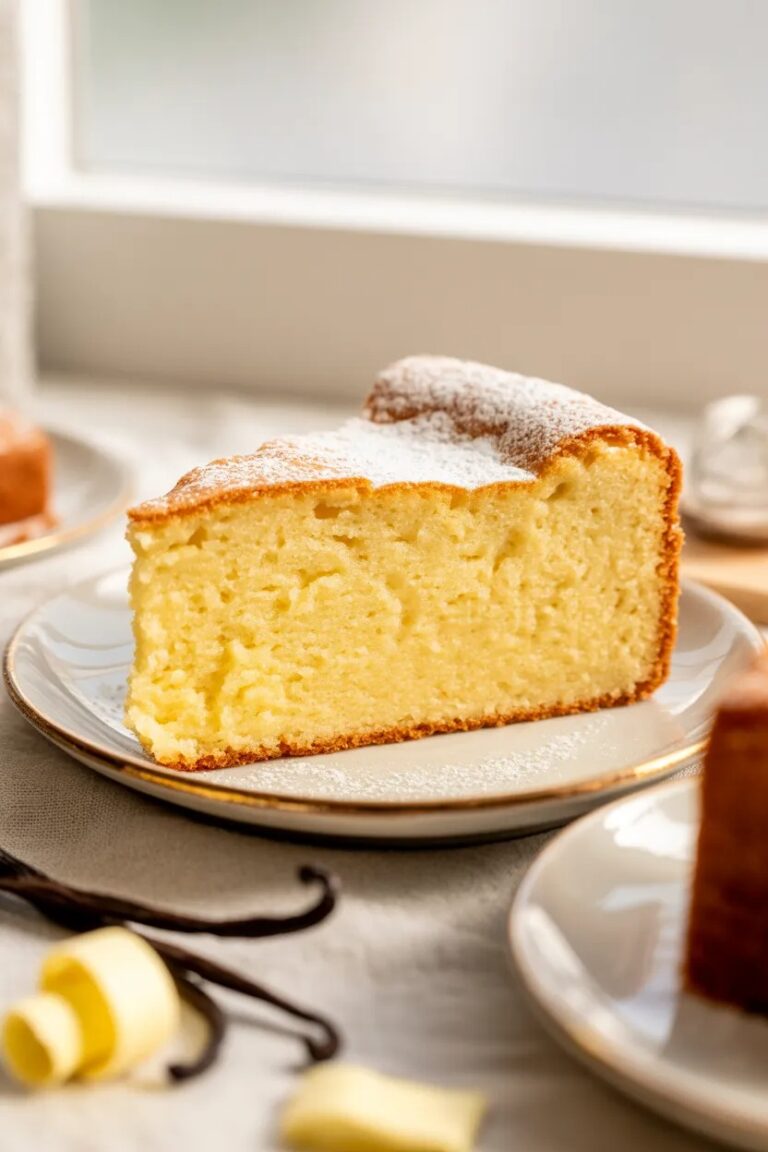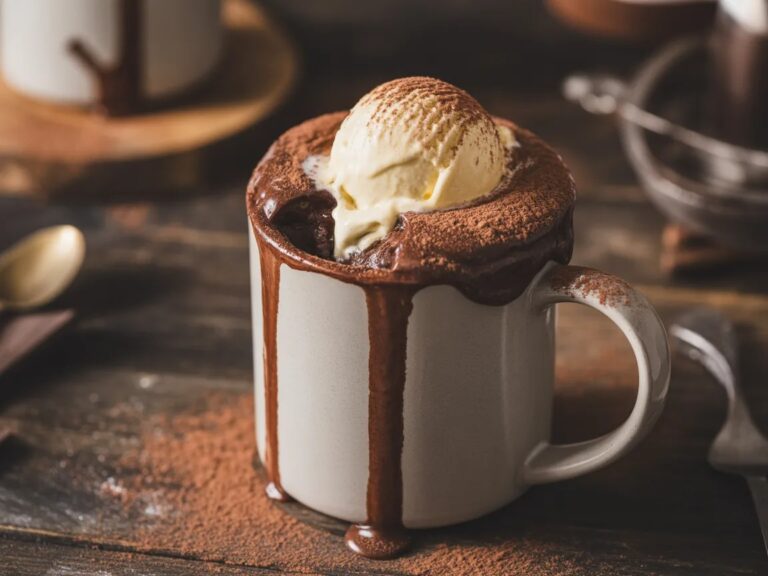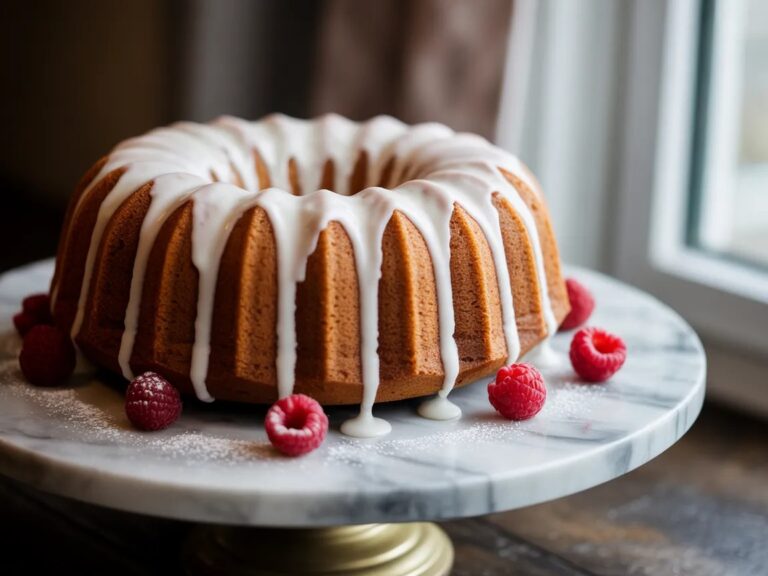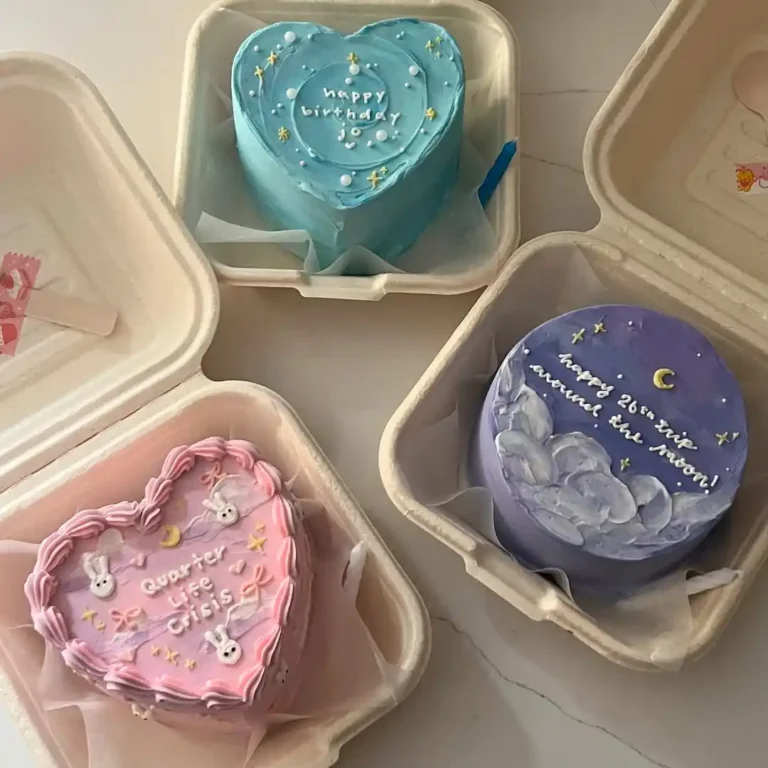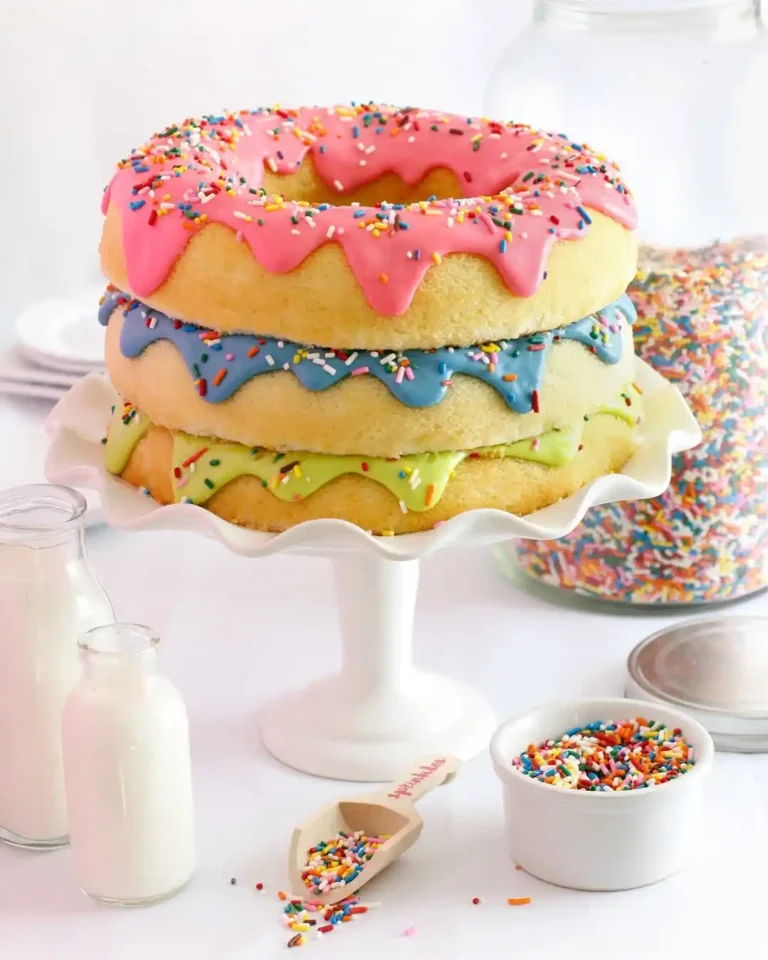
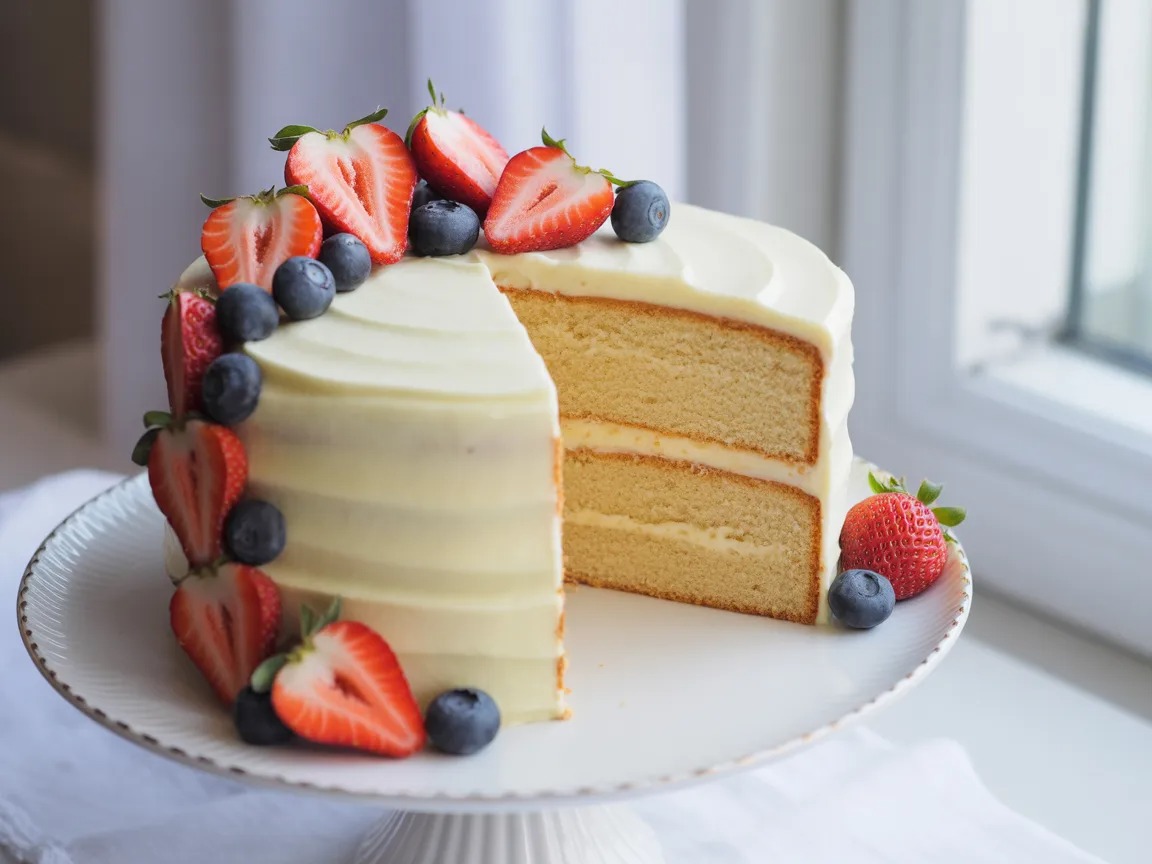
So you want to bake a cake but you’re out of eggs, avoiding them, or just decided today is the day you prove everyone wrong about eggless baking. Same energy. Here’s the thing — eggless cakes have a completely undeserved bad reputation. People hear “no eggs” and immediately picture something dense, dry, and vaguely sad sitting on a plate. But this recipe produces a cake that is genuinely soft, moist, fluffy, and completely delicious — no eggs required, no compromises made, no apologies offered. Whether you’re baking for someone with an egg allergy, following a vegetarian lifestyle, or just literally ran out of eggs and refused to make a grocery run, this one’s got you fully covered.
Quick Look at the Recipe
| 🧠 Skill Level | ⏱️ Prep Time | 🍳 Cook Time | ⏰ Total Time |
|---|---|---|---|
| Beginner-Friendly | 15 minutes | 30–35 minutes | ~50 minutes |
| 🍽️ Servings | 📋 Course | 🌍 Cuisine | 🔥 Calories |
|---|---|---|---|
| 10–12 slices | Dessert / Celebration | International | ~310 per slice |
Why This Recipe is Awesome
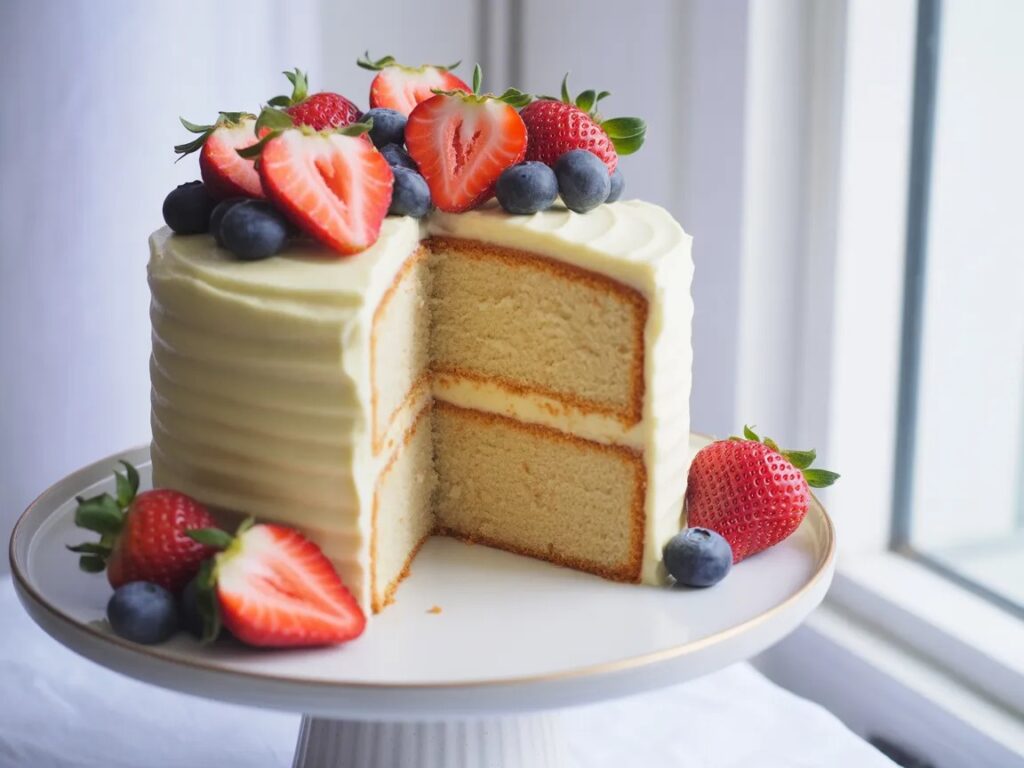
Let’s address the elephant in the room — yes, eggs do a lot of structural work in traditional baking. They bind, they add moisture, they help with rise. But here’s the beautiful truth: condensed milk, vinegar, and baking soda are a dream team that replaces all of that and then some. The condensed milk adds richness and sweetness, the vinegar reacts with the baking soda to create lift, and the result is a cake with a genuinely tender, soft crumb that holds together perfectly when you slice it. It’s one bowl, straightforward steps, and almost no way to mess it up — even on a bad day. This cake also happens to be naturally egg-free without tasting like it’s missing anything, which means it works for vegetarians, people with egg allergies, and anyone who just wants a great cake. FYI, it also comes together faster than most traditional cake recipes because you skip the whole creaming-butter-and-eggs process. Faster cake is always better cake.
Ingredients You’ll Need
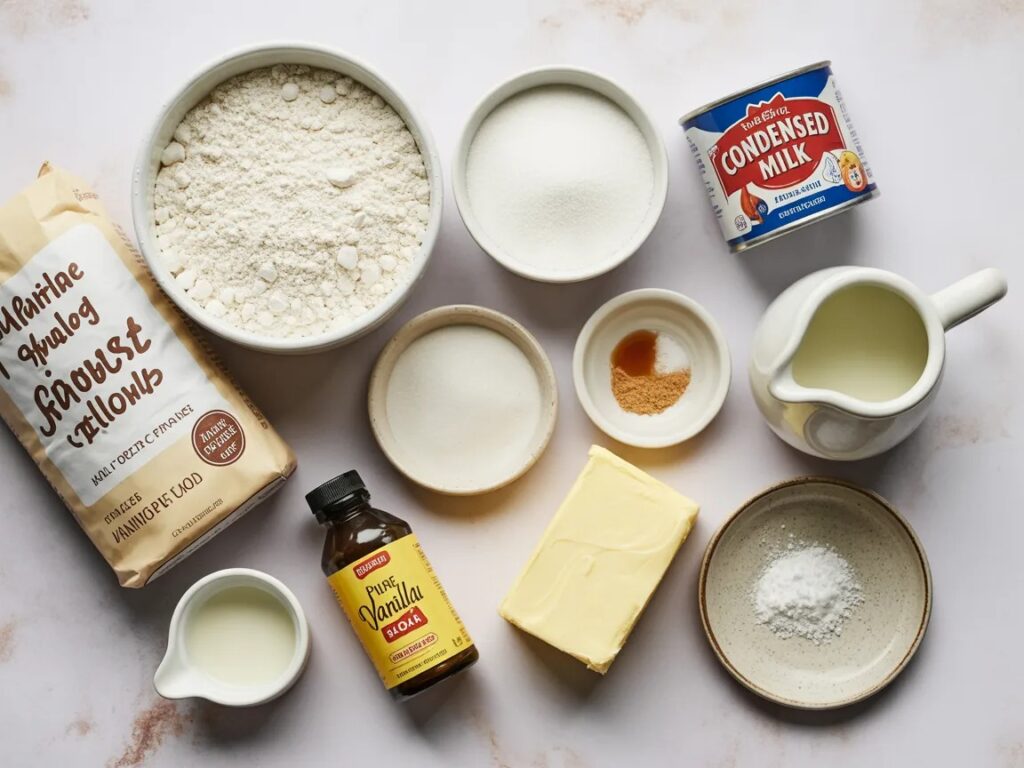
For the Cake:
- [ ] 1.5 cups all-purpose flour — spoon and level it; don’t pack it in like you’re filling a suitcase
- [ ] 3/4 cup granulated sugar — regular white sugar works perfectly here
- [ ] 1/2 cup sweetened condensed milk — the MVP ingredient that binds, sweetens, and adds moisture all at once
- [ ] 1/2 cup unsalted butter, melted and cooled — adds richness and that classic buttery flavor
- [ ] 3/4 cup whole milk — brings everything together into a smooth, pourable batter
- [ ] 1 teaspoon baking powder — check the date on yours; expired baking powder is just sad white powder
- [ ] 1/2 teaspoon baking soda — reacts with the vinegar to give the cake its lift
- [ ] 1 tablespoon white vinegar — don’t skip this; it’s not going to make your cake taste like salad dressing, it just helps it rise beautifully
- [ ] 1 teaspoon pure vanilla extract — the flavor backbone of the whole cake
- [ ] 1 pinch of salt — brings out the sweetness; always add salt to your baked goods
For a Simple Vanilla Buttercream (Optional but Recommended):
- [ ] 1/2 cup unsalted butter, softened — room temperature, please
- [ ] 1.5 cups powdered sugar, sifted — sift it unless you enjoy lumpy frosting
- [ ] 2–3 tablespoons heavy cream or milk — for the right consistency
- [ ] 1/2 teaspoon vanilla extract — ties it all together
Recommended Tools
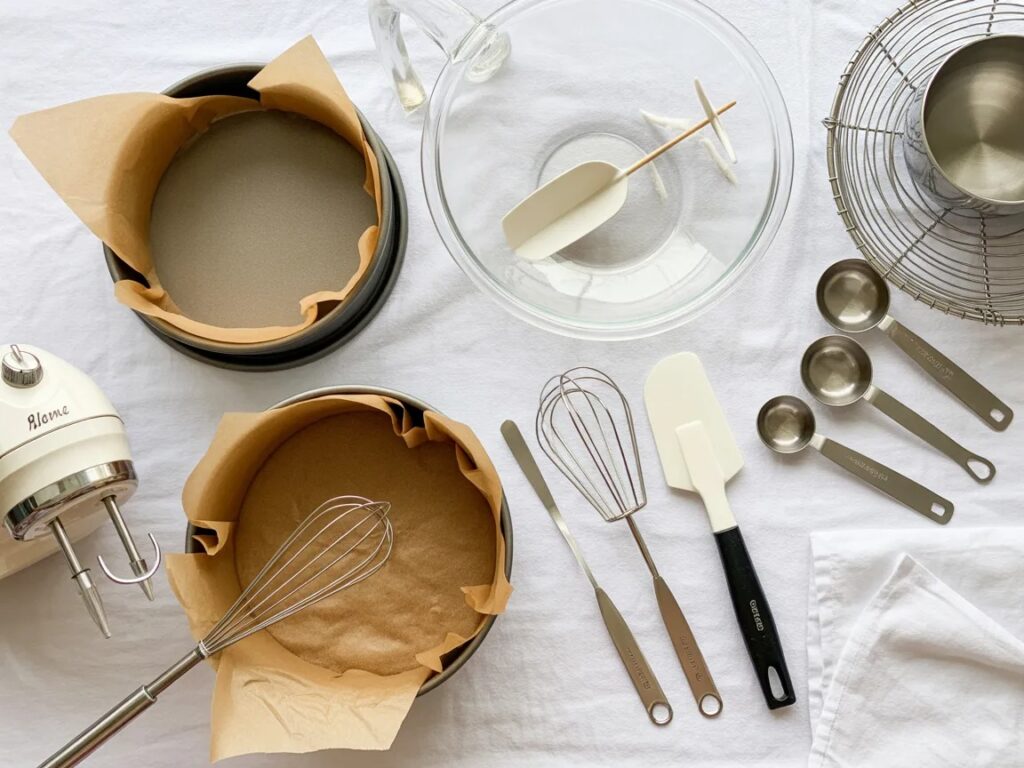
- Two 8-inch round cake pans — for a classic layered look; or use one 9-inch pan for a single layer
- Electric hand mixer or stand mixer — for the buttercream; the cake batter itself just needs a whisk
- Large mixing bowl — one bowl is genuinely all you need for the cake batter
- Whisk and rubber spatula — for mixing and scraping every last bit of batter
- Measuring cups and spoons — baking demands precision; eyeballing is for stovetop cooking
- Wire cooling rack — mandatory before frosting; frosting a warm cake is a rookie mistake with soggy consequences
- Offset spatula or butter knife — for spreading the buttercream smoothly
- Toothpick or cake tester — for checking doneness without destroying the cake
Step-by-Step Instructions
- Preheat your oven to 350°F (175°C) and grease your cake pans thoroughly. Line the bottoms with parchment paper circles — this takes 30 seconds and guarantees clean release every time. Grease the sides too and give them a light dusting of flour.
- In a large mixing bowl, whisk together the melted butter, condensed milk, whole milk, and vanilla extract until well combined. Make sure your butter has cooled slightly so it doesn’t curdle anything. The mixture should look smooth, glossy, and slightly creamy.
- Sift in the flour, sugar, baking powder, baking soda, and salt directly into the wet ingredients. Whisk everything together until just smooth — a few small lumps are fine, but no large streaks of dry flour. Do not overmix — stop as soon as the batter is uniform.
- Add the white vinegar and stir it in quickly with about 3–4 gentle strokes. You’ll notice the batter starts to look slightly airy and bubbly as the vinegar reacts with the baking soda — that’s exactly what you want. Work fast and get it into the pan immediately after this step.
- Divide the batter evenly between the two prepared pans and smooth the tops with a spatula. Tap each pan gently on the counter once or twice to release any large air bubbles. Bake for 30–35 minutes until a toothpick inserted in the center comes out clean.
- Cool the cakes in the pan for 10 minutes, then turn out onto a wire rack to cool completely. Do not attempt to frost them while warm — condensed milk-based cakes hold heat longer than you’d expect. Once fully cooled, frost with the vanilla buttercream and assemble. Stand back and admire your eggless masterpiece.
Nutrition Facts
━━━━━━━━━━━━━━━━━━━━━━━━━━━━━━━━━
       NUTRITION FACTS
       Serving Size: 1 slice (1/10 of cake)
       Servings Per Recipe: 10–12
━━━━━━━━━━━━━━━━━━━━━━━━━━━━━━━━━
Calories                        310
━━━━━━━━━━━━━━━━━━━━━━━━━━━━━━━━━
Total Fat                       14g     18%
  Saturated Fat                  9g     45%
  Trans Fat                      0g
Cholesterol                    38mg    13%
Sodium                        180mg     8%
Total Carbohydrate              44g     16%
  Dietary Fiber                  0.5g    2%
  Total Sugars                  30g
Protein                          4g
━━━━━━━━━━━━━━━━━━━━━━━━━━━━━━━━━
Vitamin A             110mcg    12%
Calcium               90mg       7%
Iron                  1.2mg      7%
Potassium            120mg       3%
━━━━━━━━━━━━━━━━━━━━━━━━━━━━━━━━━
*Based on a 2,000 calorie diet.
Buttercream frosting included in estimate.
━━━━━━━━━━━━━━━━━━━━━━━━━━━━━━━━━
Recipe Variations
- Eggless Chocolate Cake — Replace 1/4 cup of the flour with unsweetened cocoa powder and add 1/2 cup of melted dark chocolate to the wet ingredients. The condensed milk enhances the chocolate flavor beautifully, and the result is a deeply rich, fudgy chocolate cake that nobody will believe is eggless.
- Eggless Lemon Cake — Add the zest of two lemons and 2 tablespoons of fresh lemon juice to the batter, replacing the vinegar with the lemon juice as your acid component. Frost with a lemon buttercream or a simple powdered sugar and lemon glaze for a bright, refreshing cake perfect for warm weather.
- Eggless Funfetti Birthday Cake — Fold 1/3 cup of rainbow sprinkles into the finished batter just before pouring into the pans. The sprinkles bleed slightly into the batter during baking, creating a colorful, festive crumb inside. Top with vanilla buttercream and more sprinkles because more is always more on a birthday.
Recommended Ways to Serve
- Classic Layer Cake with Buttercream — Stack the two layers with a generous spread of vanilla buttercream in between and a smooth coat on the outside. Add fresh strawberries or raspberries around the base and top for color that costs zero extra effort and looks absolutely stunning on any table.
- With a Scoop of Ice Cream — Serve warm slices straight from the oven alongside a ball of vanilla or strawberry ice cream. The contrast of the warm, soft cake and cold, melting ice cream is one of those simple combinations that never needs improvement.
- Casual Dusted Style — Skip the frosting entirely and simply dust the top of the cooled cake with powdered sugar and a few fresh berries. IMO, this is actually the most elegant presentation — minimal, beautiful, and makes the cake itself the star.
Storing and Reheating Guidelines
- Room Temperature — Store the unfrosted or frosted cake covered with a cake dome or plastic wrap at room temperature for up to 2 days. The condensed milk keeps the crumb moist and tender, so it stays fresh longer than you’d expect from a cake this simple.
- Refrigerator — Refrigerate frosted or cut cake in an airtight container for up to 5 days. Always bring slices back to room temperature before serving — cold butter-based frosting gets stiff and loses its creamy texture straight from the fridge.
- Freezer — Freeze unfrosted cake layers individually, wrapped tightly in plastic wrap then foil, for up to 2 months. Thaw overnight in the refrigerator, then bring to room temperature and frost fresh. Freezing frosted cake is technically possible but the buttercream texture suffers a bit.
Common Mistakes to Avoid & Fixes
| ❌ Mistake | ✅ Fix |
|---|---|
| Adding the vinegar too early and then stirring forever | Once the vinegar hits the baking soda, that chemical reaction is on a clock. Add the vinegar last, stir quickly, and get the batter into the oven immediately — don’t stop to take photos first. |
| Using cold butter or cold milk | Cold ingredients don’t mix smoothly and can cause the batter to look lumpy and split. Melt the butter, let it cool slightly, and bring the milk to room temperature before mixing. |
| Overmixing after the flour goes in | Gluten development is the enemy of a tender eggless cake — without eggs to compensate, overmixing makes the crumb noticeably tough. Mix just until the batter comes together and then stop. |
| Skipping the parchment paper liner | Eggless cakes can be slightly more delicate when warm. Without parchment, you risk the bottom sticking and the cake tearing apart during release. 30 seconds of prep prevents a heartbreaking outcome. |
| Frosting a warm cake | Buttercream melts on contact with a warm surface and slides right off the cake. Let it cool completely — at least an hour at room temperature — before you even think about frosting. |
| Measuring flour by scooping directly from the bag | Scooping packs the flour and adds up to 20% more than the recipe calls for, making the cake dry and dense. Spoon flour into your measuring cup and level it off with a knife every time. |
Alternatives & Substitutions
- Condensed milk substitute — Mix 1/2 cup of full-fat coconut cream with 3 tablespoons of sugar as a dairy-free swap. It works well and adds the faintest tropical note that’s actually quite pleasant in a vanilla cake.
- Oil instead of butter — Swap the melted butter for an equal amount of neutral vegetable or sunflower oil. The cake loses a little of that buttery richness but gains even more moisture — some bakers actually prefer the texture.
- Non-dairy milk — Oat milk, almond milk, or soy milk all work in place of whole milk. Oat milk gives the closest result to dairy in terms of richness and body, so that’s the top recommendation if you’re going fully plant-based.
- Apple cider vinegar instead of white vinegar — Works identically in terms of the chemical reaction and adds an almost imperceptible depth of flavor. Either works perfectly; use whichever you have.
- Gluten-free flour blend — A 1:1 gluten-free flour blend substitutes cup for cup with reasonable results. The texture is slightly more crumbly but still very enjoyable. Add an extra tablespoon of condensed milk to compensate for the dryness that gluten-free flours can introduce.
- Chocolate chips or nuts as mix-ins — Fold in 1/2 cup of chocolate chips, chopped walnuts, or toasted almonds to the finished batter for texture contrast. They add personality to every single slice without any extra work.
FAQ (Frequently Asked Questions)
Q. Will this cake actually taste as good as a regular egg cake? Ans: Genuinely, yes. The condensed milk does such a good job of replicating the richness and binding that eggs provide that most people can’t tell the difference. Serve it to egg-skeptics without telling them and watch them ask for seconds. Works every time.
Q. Why does the recipe use both baking powder and baking soda? Ans: They do different jobs. Baking powder provides steady lift throughout baking, while baking soda reacts with the vinegar immediately to create extra aeration and lightness in the crumb. Using both gives you the best of both worlds — a cake that rises well and stays tender.
Q. Can I make this as cupcakes instead of a layer cake? Ans: Absolutely. Line a cupcake pan with paper liners, fill each about 2/3 full, and bake at 350°F for 18–22 minutes. This recipe makes about 12–14 cupcakes. They’re adorable, perfectly portioned, and frost beautifully.
Q. My cake came out dense — what went wrong? Ans: A few possible culprits — overmixing after the flour went in, old baking powder or baking soda that didn’t react properly, or too much flour from incorrect measuring. Check your leavener freshness, measure accurately, and mix only until just combined next time.
Q. Can I reduce the sugar to make it less sweet? Ans: You can reduce it by about 2 tablespoons without significantly affecting the texture. Remember that the condensed milk also adds sweetness, so the overall cake is already moderately sweet. Going too far below 1/2 cup of sugar can affect moisture and structure, so tread carefully.
Q. Does the vinegar make the cake taste sour? Ans: Not even slightly. The vinegar fully neutralizes when it reacts with the baking soda during mixing and baking. What remains is zero detectable tang and a noticeably lighter, fluffier crumb. Trust the chemistry on this one.
Q. Can I use this recipe to make a chocolate eggless cake? Ans: Yes — check the Recipe Variations section above for exact details. The short version: replace 1/4 cup of flour with cocoa powder and add melted dark chocolate. The condensed milk amplifies the chocolate flavor in the most satisfying way imaginable.
Latest Articles
-
Chocolate Cake Decoration: Make It Look Like You Actually Tried
-
-
🥬 Kitchen Vegetable Storage: Keeping Your Harvest Fresh as a Dew-Kissed Meadow
-
Air Fryer Baked Potatoes: Crispy Outside, Fluffy Inside, Zero Patience Required
-
Hashbrown Breakfast Casserole: The Breakfast That Does All the Heavy Lifting
-
🍳 Kitchen Decor Ideas: Transforming Your Cooking Space into a Warm, Functional Meadow
Final Thoughts
The eggless cake is one of those recipes that quietly earns a permanent spot in your baking rotation — not because you’re forced to make it, but because it’s genuinely that good and that easy. No special equipment, no hard-to-find ingredients, no complicated techniques. Just a simple, reliable batter that bakes into something soft, moist, and completely satisfying every single time. Whether you bake it for someone with dietary restrictions, for a crowd, or purely for yourself on a random afternoon — it delivers without fail. Now go preheat that oven, pull out that condensed milk, and bake something you’re proud of. You’ve absolutely earned it. 🎂